Commercial Photographers Shoot Fusion Energy
Commercial Photographers Shoot Fusion Energy is more than just a title for SEO, it’s our credo. For commercial photographers like us, it’s a thrilling assignment to document the incredible progress at Xcimer. Over the past several years, we’re grateful to have had numerous photoshoots for the alternative-green-clean-energy company. From empty warehouse space in 2024 to advanced laser technology in 2026, our cameras chronicled the company’s growth. Excitement grows exponentially.
In June of 2026, Xcimer Energy in Denver, Colorado was given the green light by The DOE “to commercialize fusion energy at industrial scale”.


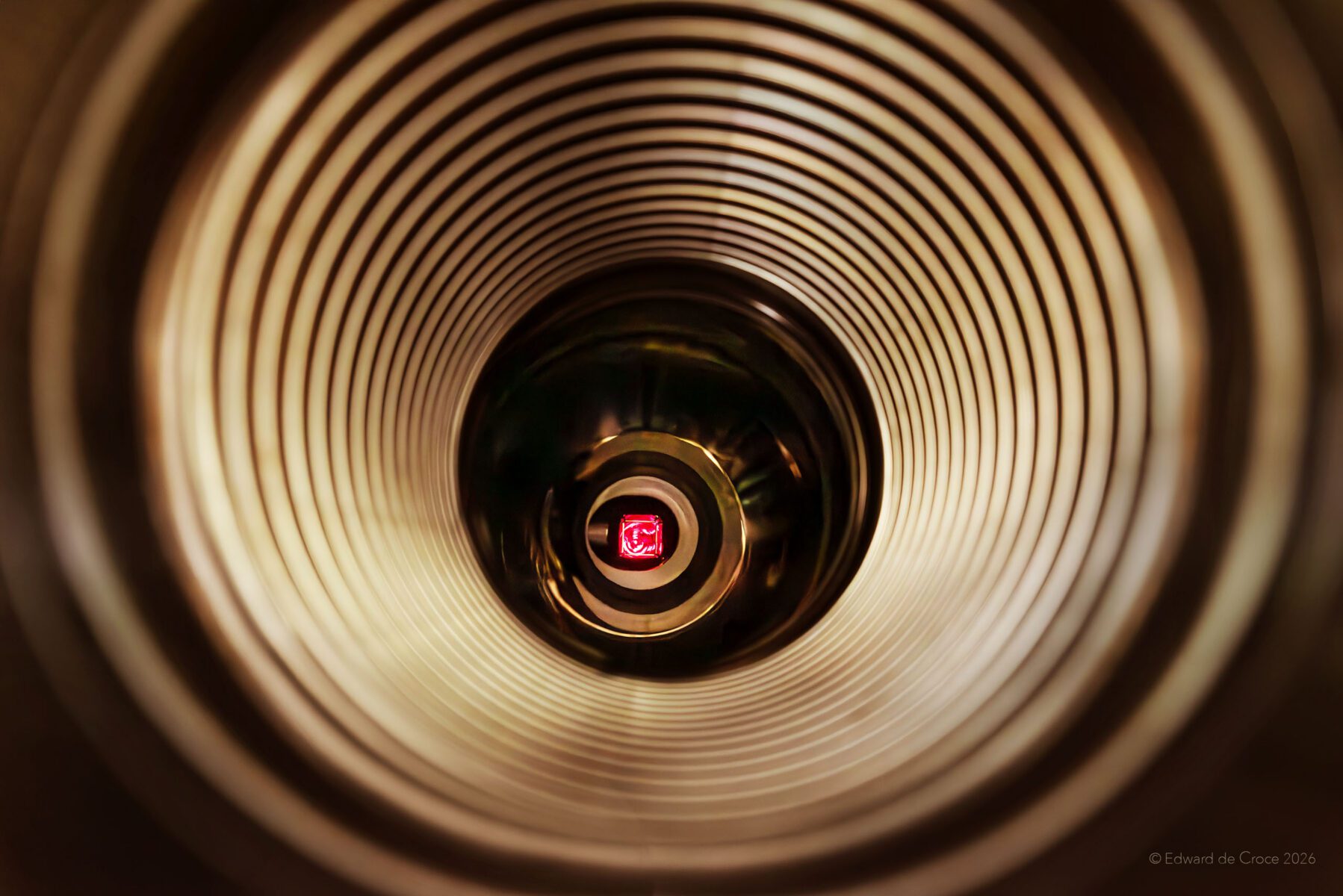
A pair of scientists work together in second clean room near the vanishing point of the cylinder which houses laser bursts.



Breakthrough Fusion Technology
Since the historic breakthrough in 2022 at the Lawrence Livermore Nation Labratory, “the net-positive fusion experiment has been steadily ramping up the amount of power it produces” as reported by Tech Crunch.
And in early June 2026, the Department of Energy (DOE) approved Xcimer Energy’s fusion power plant design and technology roadmap. Xcimer also began operating “Phoenix,” the largest privately owned laser system in the world and their prototype for industrial-scale laser fusion.

Joy Of The Photoshoot
The articles in this blog are about photography. Our stories describe the process of commercial, advertising and industrial photography. We write about our experiences and our photographic techniques. We publish some of our successes and our readers hear about our challenges and even occasional mishaps. But sometimes our excitement for the “product” is equal to the joy of capturing the story. “Commercial Photographers Shoot Fusion Energy” is one of those occasions.
For us, (the chroniclers and story tellers), it’s inspiring to record historic events as they unfold. Finding the stories that illustrate human connection is always our aim. But we care about future generations too. And recording the early steps of scientific changes that will propel the course of human existence to brighter vistas, is mind blowing.
And… The folks at Xcimer Energy as well as Jack & Nick at Big Dreams Studio are all a dream to work with.
Commercial Photographers Shoot Nuclear Fusion
Before each commercial photoshoot, I like do a some research. Even if it’s something very familiar, we prepare and practice before each photoshoot. We rehash what we did right in the past, conceptualize the visuals we want to create and learn as much as possible about our new client. That’s especially true for energy and industrial photography projects.
While reading current scientific reports of the nuclear energy world, I found an article by Bill Gates entitled “The Future Of Energy Is Subatomic”. It’s an enthusiastic story about the major differences between nuclear fission and fusion energy. And he talks about his own hope for a clean energy future.
When Mr Gates wrote in his first paragraph, “I’ve seen geothermal wells go 15,000 feet below the surface of the earth“, he’s referring another of our clients – Fervo Energy. The Cape Station Site in southwest Utah is the largest enhanced geothermal site in the world. And like our work with Xcimer Energy in Denver, we’ve been chronicling the breakthrough technology at Fervo for several years. Click the headline below to see more about Fervo Energy.
Alternative Renewable Energy Photography
It’s serendipitous that both Xcimer and Fervo are each founded by a pair of college friends. From Fervo, Tim Latimer and Jack Norbeck met at Stanford. And Xcimer Energy’s founders Conner Galloway and Alexander Valys were freshmen roommates at MIT.
Commercial Photographer Blunder
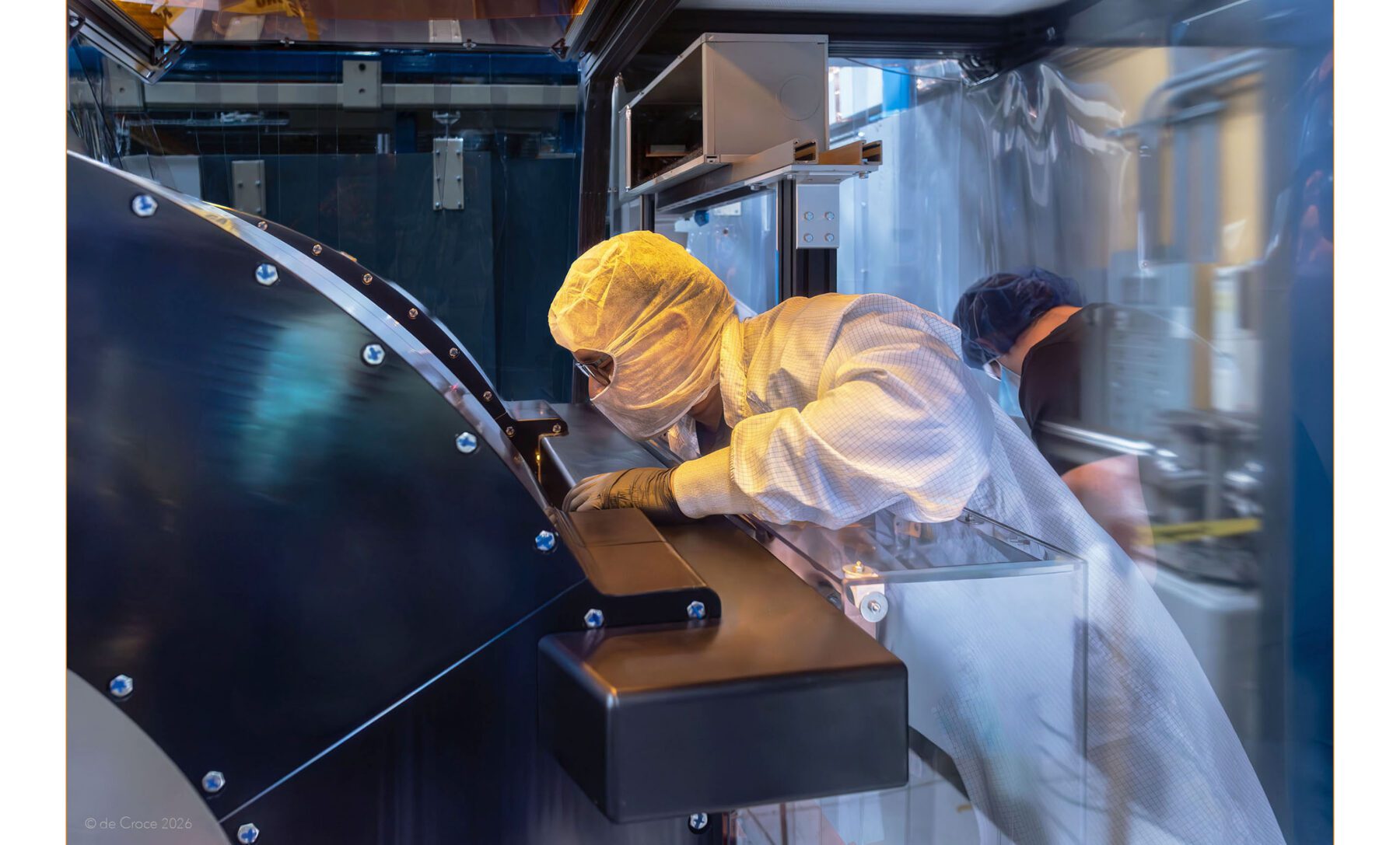
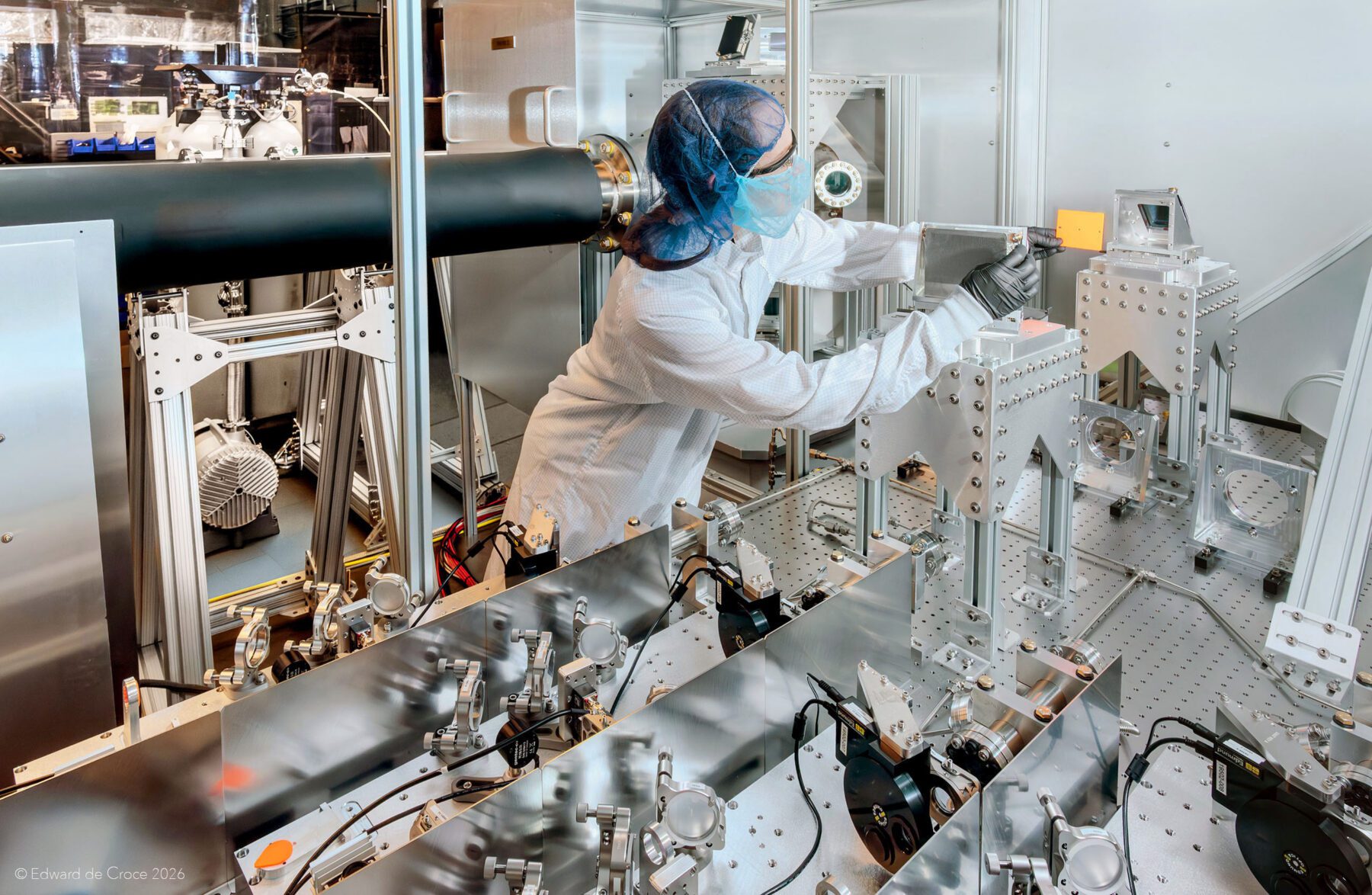
While shooting this picture in available light of engineers and physicists working in a clean room at Xcimer Energy, I suddenly noticed my own reflection. I didn’t like that. Immersed in getting the shot I wanted, I stepped to the left. Oops… off a ledge and onto stainless steel apparatus. It hurt bad! My first thought was a hope… that none of the million-dollar equipment was damaged. Then I felt my cracked ribs.
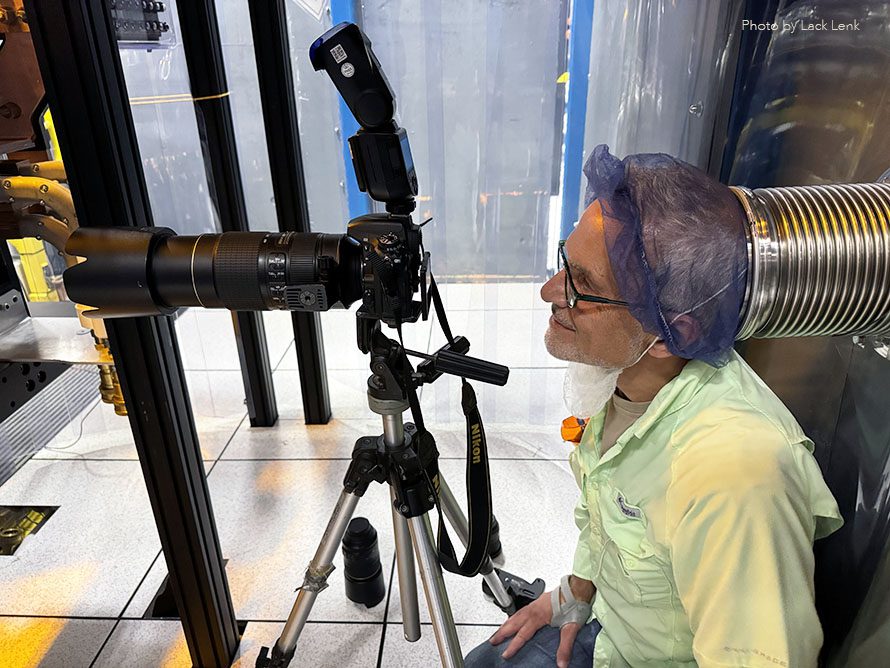
Advertising guru Jack Lenk of Big Dreams Studio shot this picture of me just after my fractured ribs incident (and a short break). In the confined cleanroom, while I shot the actual laser, every meter of space was at a premium. So my head nestled into the air vent and I had to use the camera mount for the tripod instead of the lens barrel mount.
Images below show my results.
Eye Of The Laser
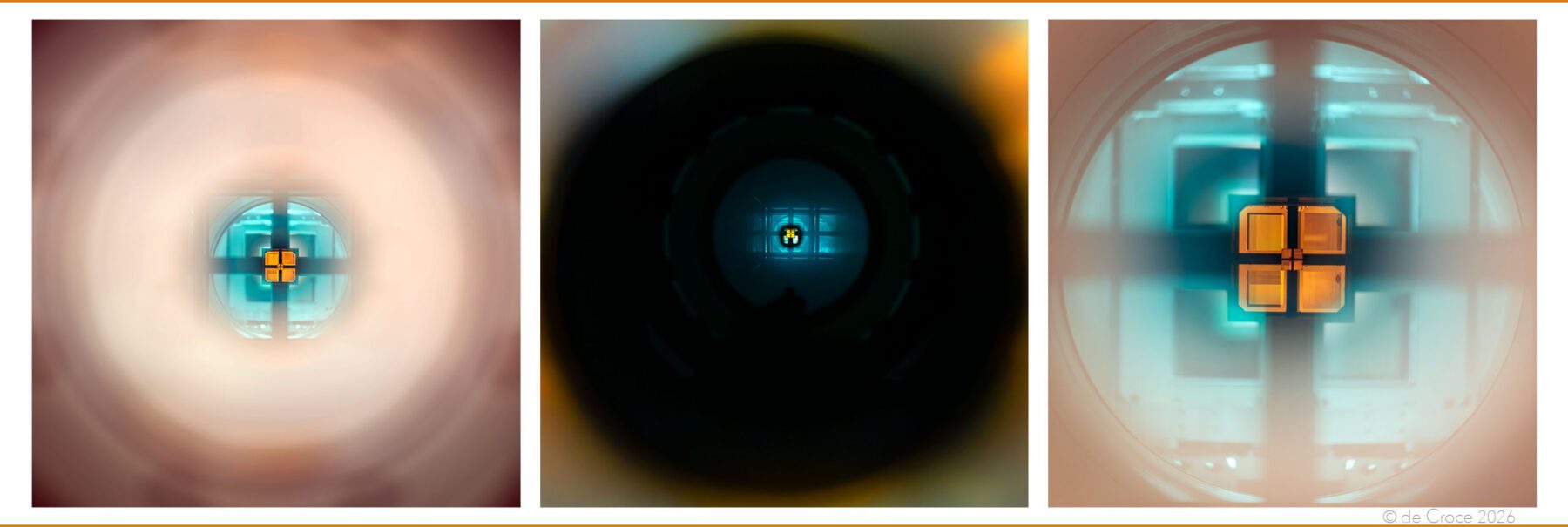
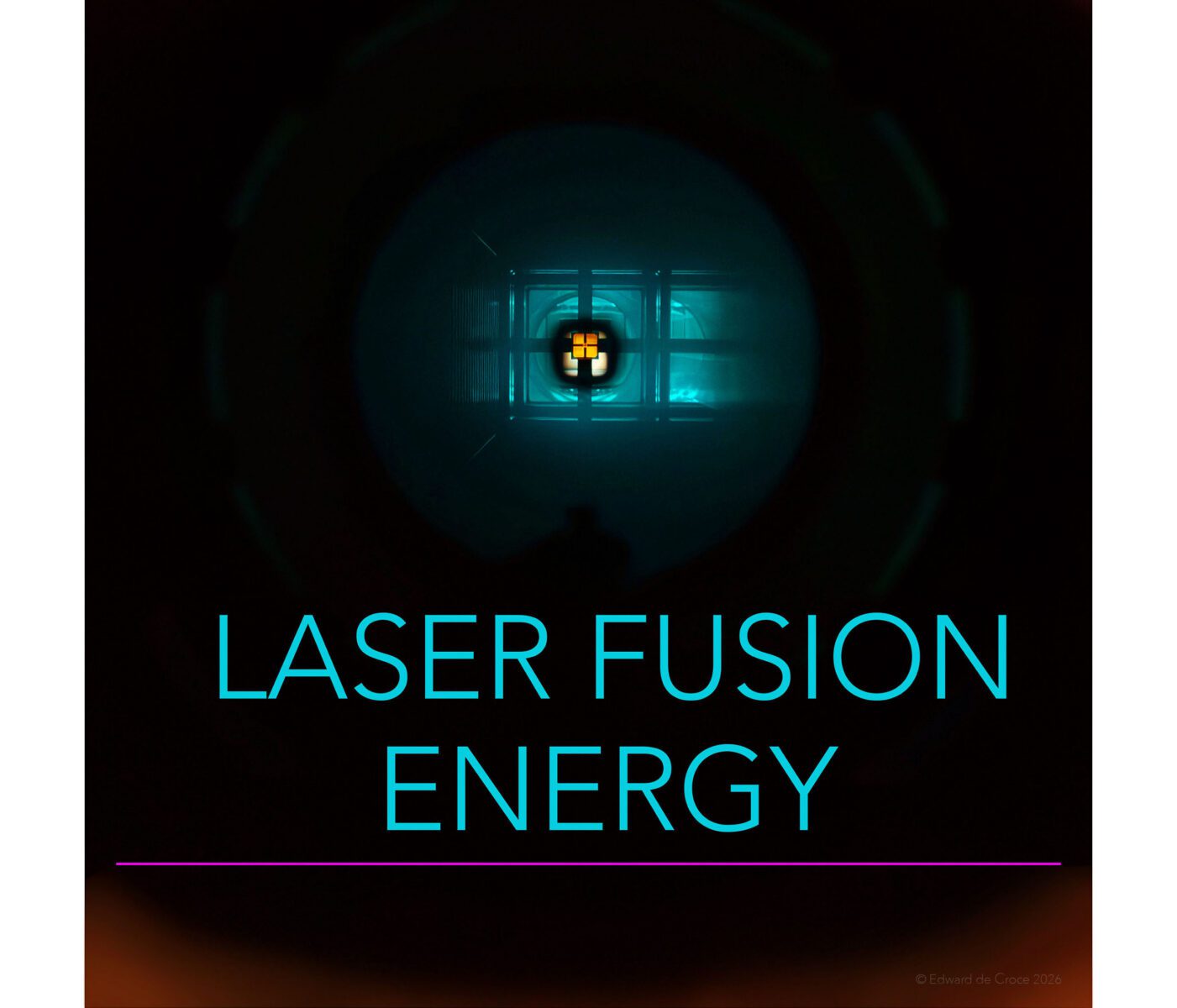
These were tedious pictures to make. Using 300 and 400 mm focal length lenses it was challenging to find focus. On my knees for what seemed like an hour, I managed to capture the laser configuration. It looks kind of like an eye… a future eye.
Nuclear Fusion Energy: How does It Work?
Long considered the holy grail of energy production, nuclear fusion is the safest, cleanest and most reliable energy source known. Problem is, scientists haven’t yet figured out how to harness it.
The gist of nuclear power isn’t that complex even if the physics is. In a nutshell, nuclear fusion energy is the process of joining two atoms. Nuclear fission, on the other hand splits atoms apart. But the science is more complicated. Nuclear fusion does not use traditional chemical molecules, it uses light weight ionized atoms called plasma. The source of the plasma is deuterium which is a naturally occurring isotope of hydrogen. The goal for focusing a laser into plasma is to emulate the same heat and pressure that happens inside the sun and the stars.
Fission uses a process in which heavy elements such as uranium are bombarded by neutrons releasing heat in the process. Heat and steam are then used to power turbines and ultimately produce electric power.

The Basics Of Nuclear Energy
Report written in IAEA:
“For more than 50 years, energy has been generated in nuclear power plants through fission, a process in which heavy elements such as uranium are bombarded by neutrons releasing heat in the process.
Nuclear fusion, on the other hand, is based on the opposite principle. In fusion reactors, light atomic nuclei are compressed under intense pressure and heat to form heavier ones and release energy in the process. The process must be optimized to generate more energy than it consumes. With a sufficiently large and sustainable energy “profit”, fusion could be utilized to generate electricity commercially.
The main fuels used in nuclear fusion are deuterium and tritium, both heavy isotopes of hydrogen. Deuterium constitutes a tiny fraction of natural hydrogen, only 0,0153%, and can be extracted inexpensively from seawater. Tritium can be made from lithium, which is also abundant in nature.
The amount of deuterium present in one litre of water can in theory produce as much energy as the combustion of 300 litres of oil. This means that there is enough deuterium in the oceans to meet human energy needs for millions of years.”

Xcimer Energy
(Text below from Xcimer Energy Company’s website)
What is an excimer laser, and why does Xcimer use one?
An excimer laser uses a mixture of noble gases (in Xcimer’s case, krypton and fluorine) as the lasing medium. Excimer lasers have been commercially proven at scale in semiconductor manufacturing and other industrial and medical applications for decades. Xcimer’s electron-beam-pumped excimer architecture provides unique advantages in output energy, scalability and industrialization compared to conventional solid-state laser designs — at a fraction of the cost.
What are the three main components of Xcimer’s system?
Xcimer’s system has three primary elements: (1) a 10+ MJ krypton-fluoride excimer laser driver; (2) a fusion fuel capsule containing deuterium-tritium (DT) hydrogen fuel, larger and more robust but using the same fusion physics as NIF’s capsules; and (3) a HYLIFE-III fusion chamber, which uses a flowing lithium salt to absorb fusion energy and protect the chamber walls from neutrons — minimizing maintenance and reducing waste.
What is “wall-plug breakeven,” and why does it matter?
Wall-plug breakeven means a fusion machine produces more electricity than it consumes to operate — including all the energy used to power components like a laser. NIF achieved scientific breakeven (more energy from the fusion fuel than laser energy input), but not yet wall-plug breakeven. Xcimer’s Vulcan system is designed to achieve this milestone by 2031.
More Commercial Energy & Industrial Articles by deCroce
Related Portfolios At deCroce Photography
- Energy Photography Portfolio
- Mining Photography
- Industrial Photography
- The American Industrial Worker