Just How Tough is Underground Mining Photography?
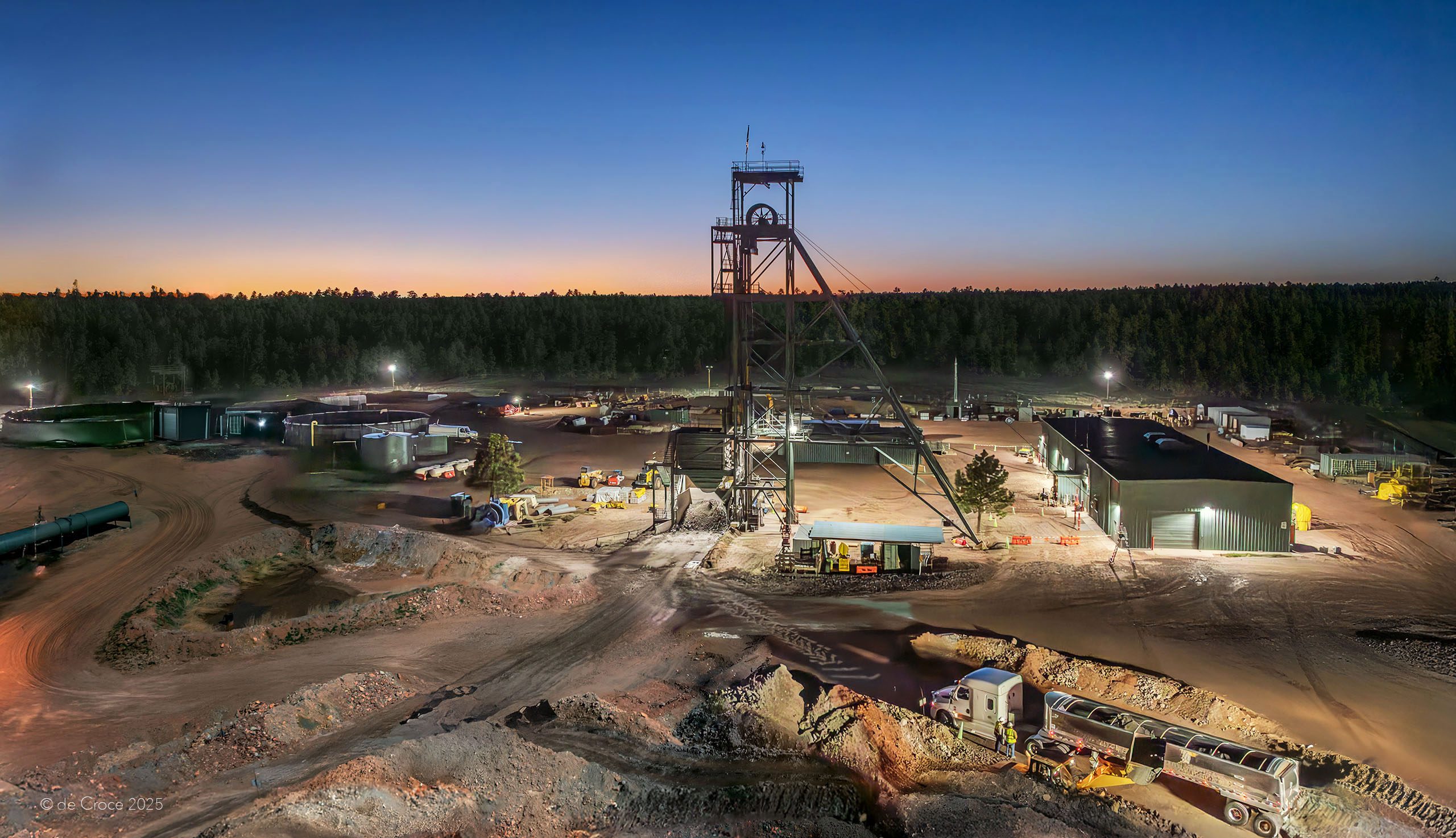
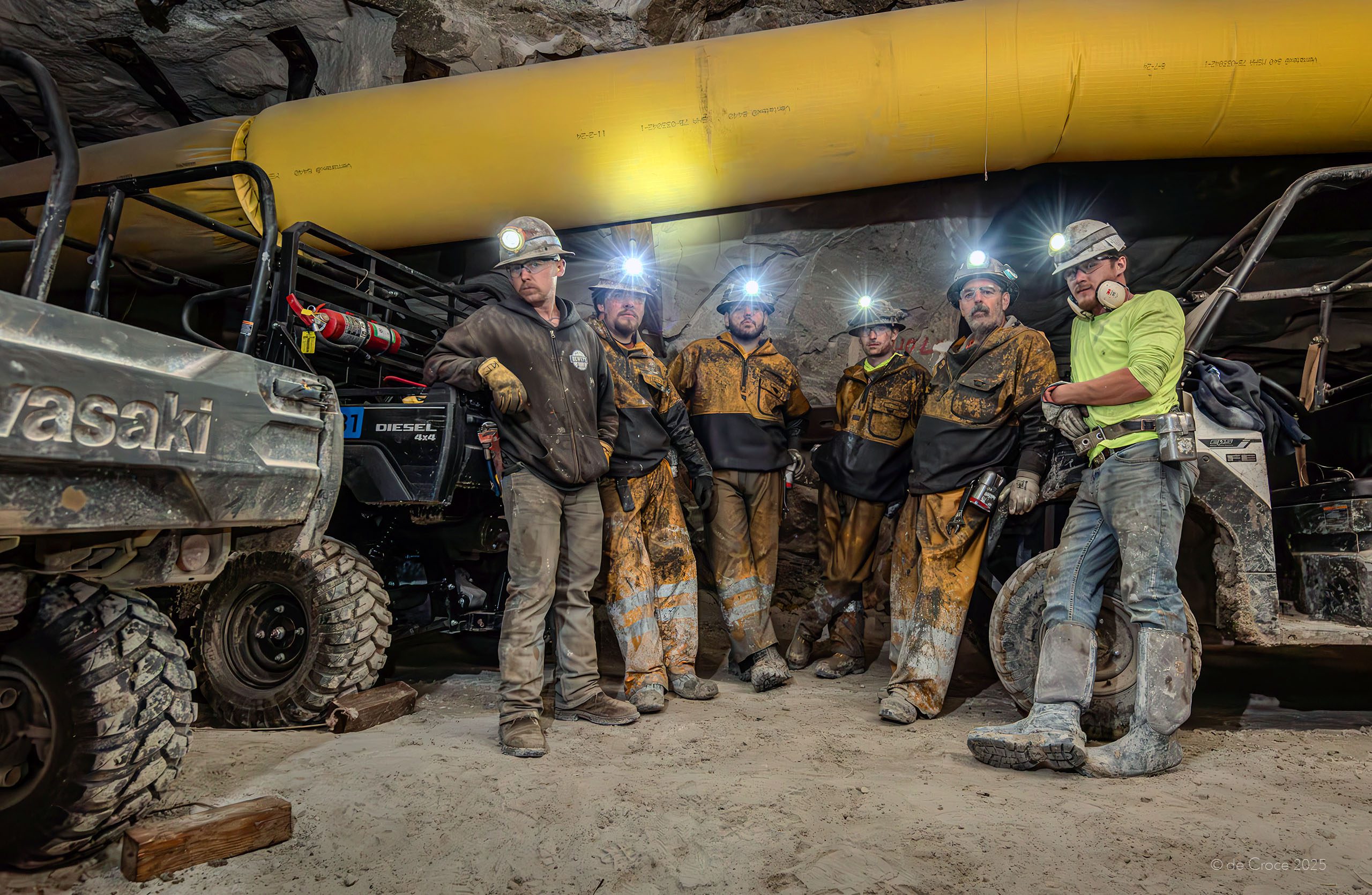
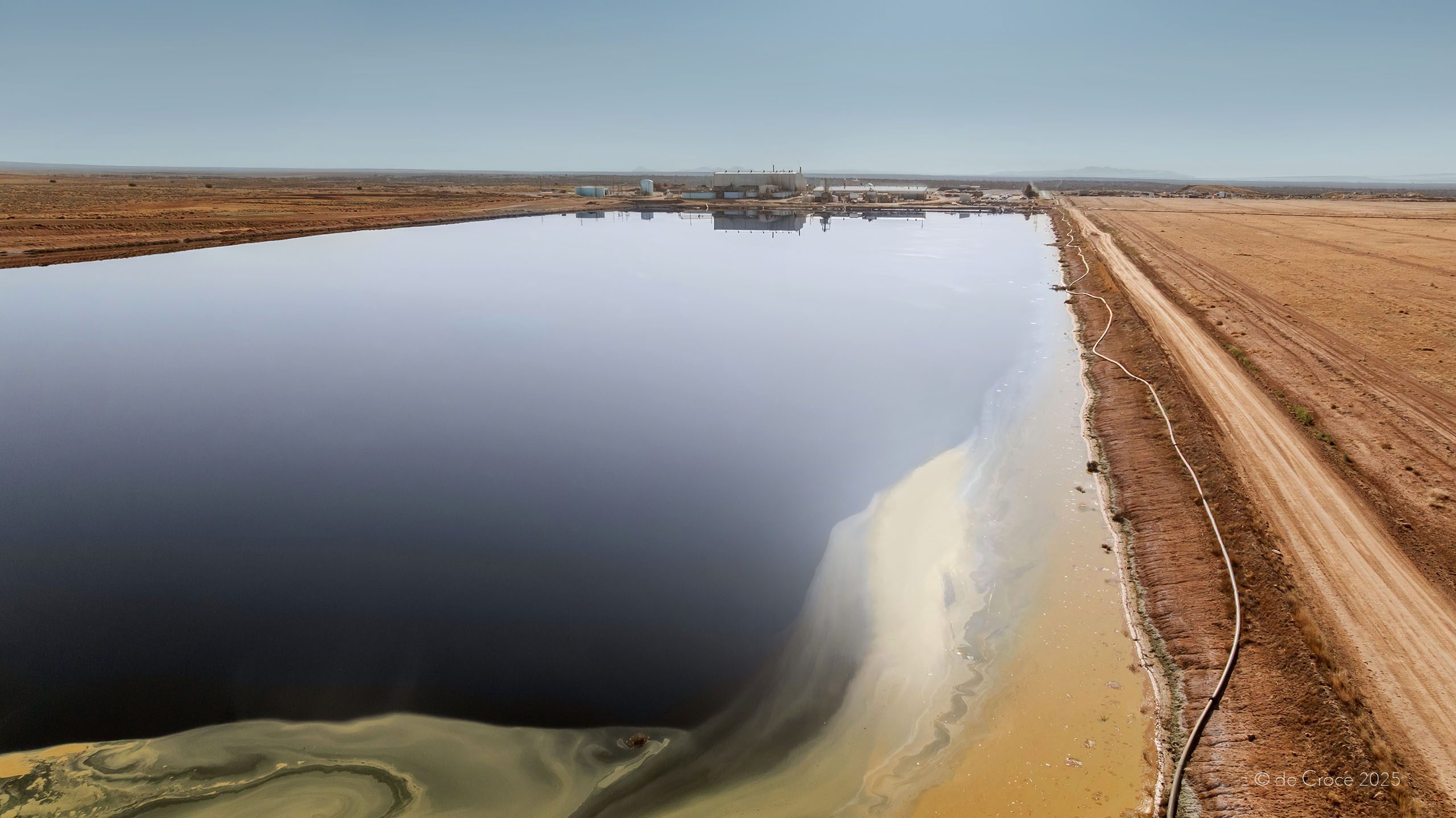
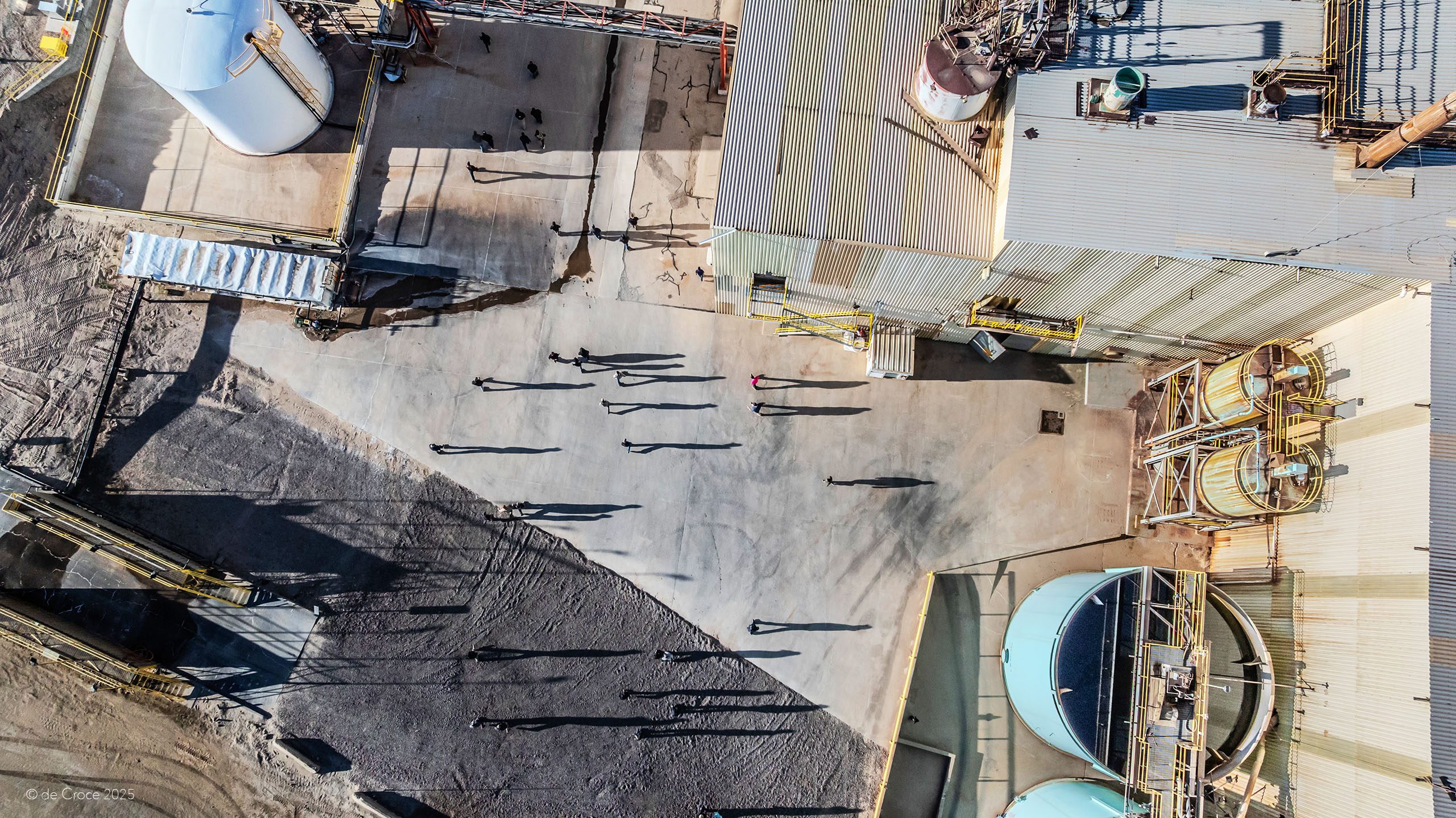
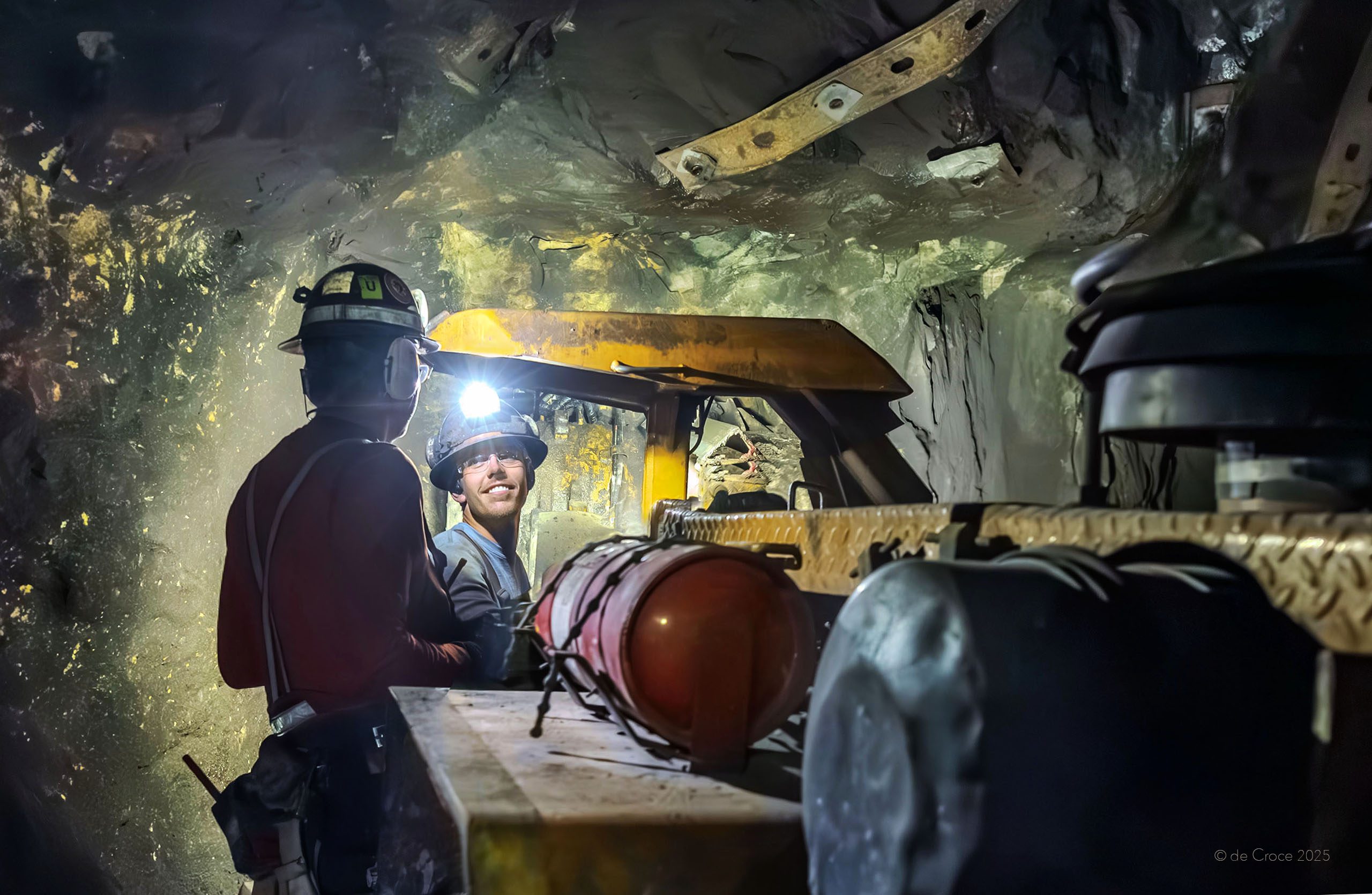
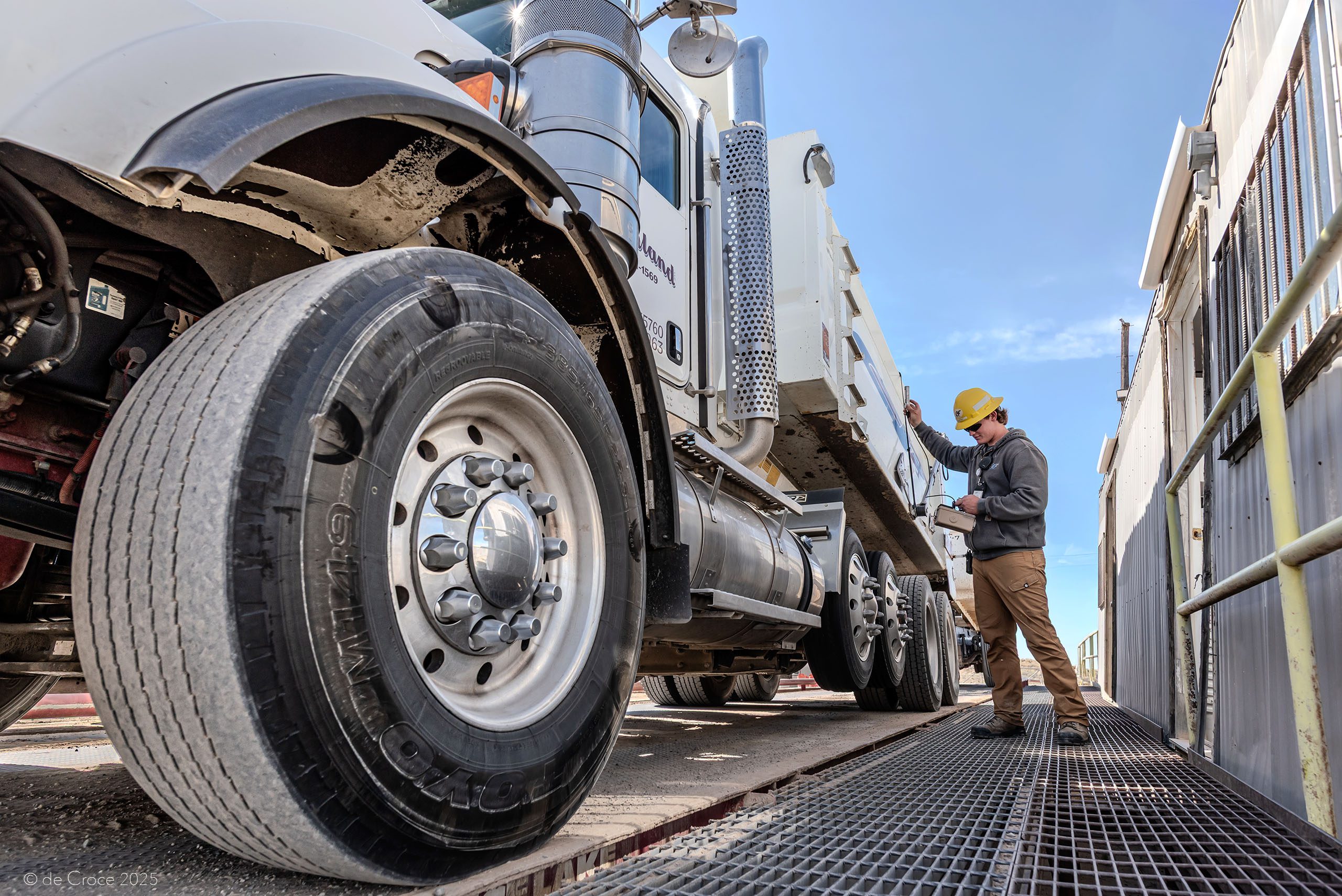
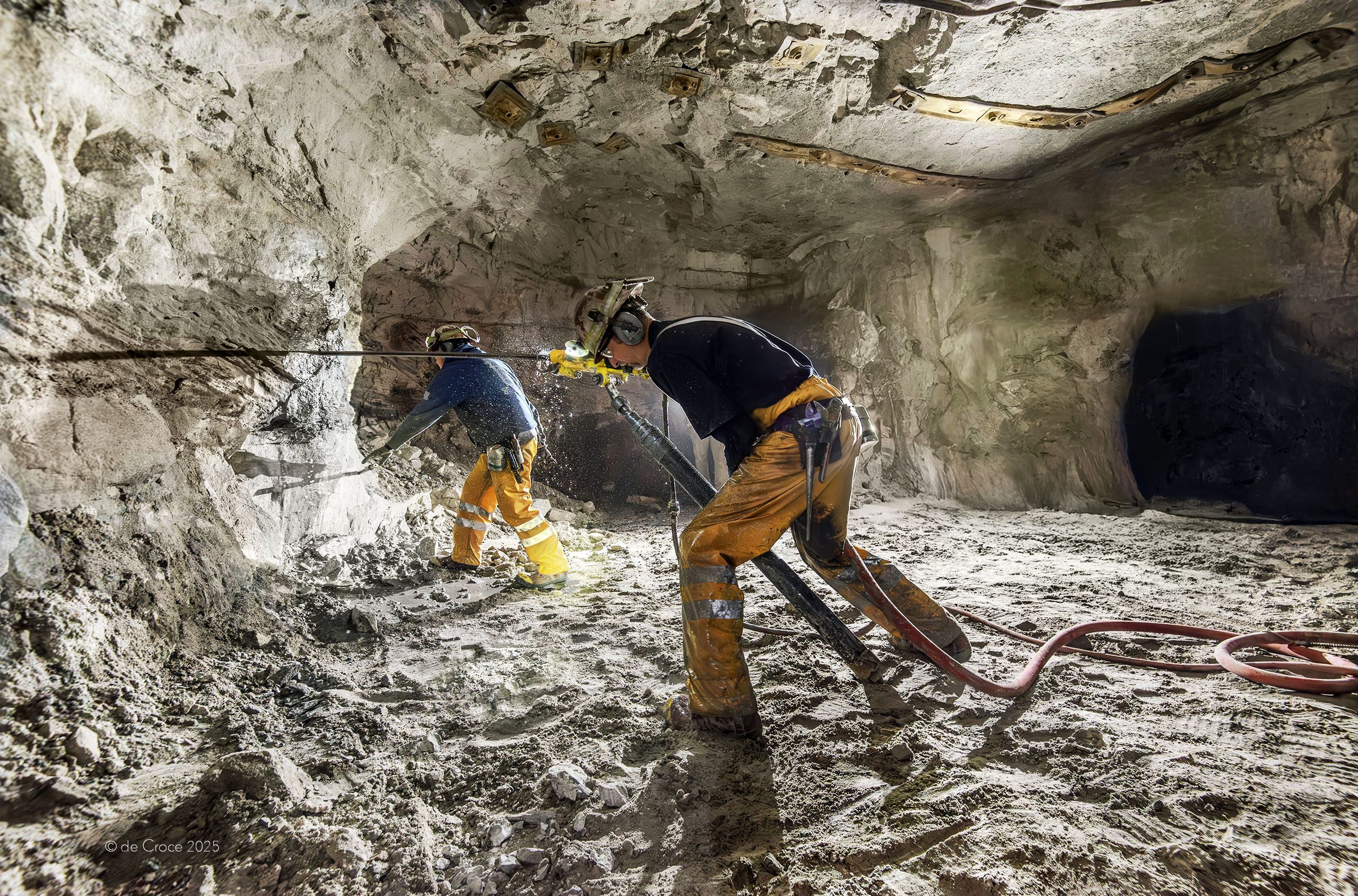
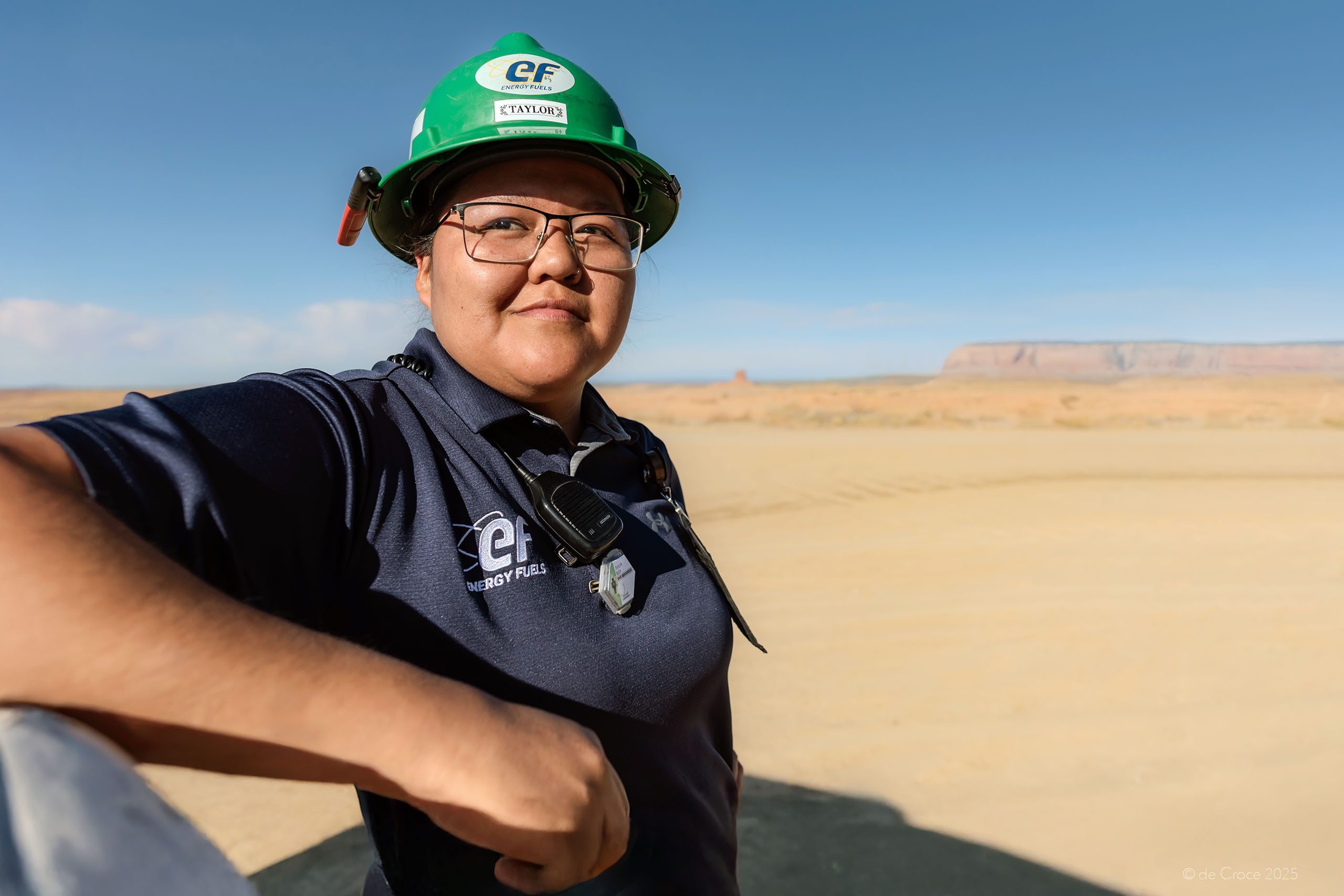
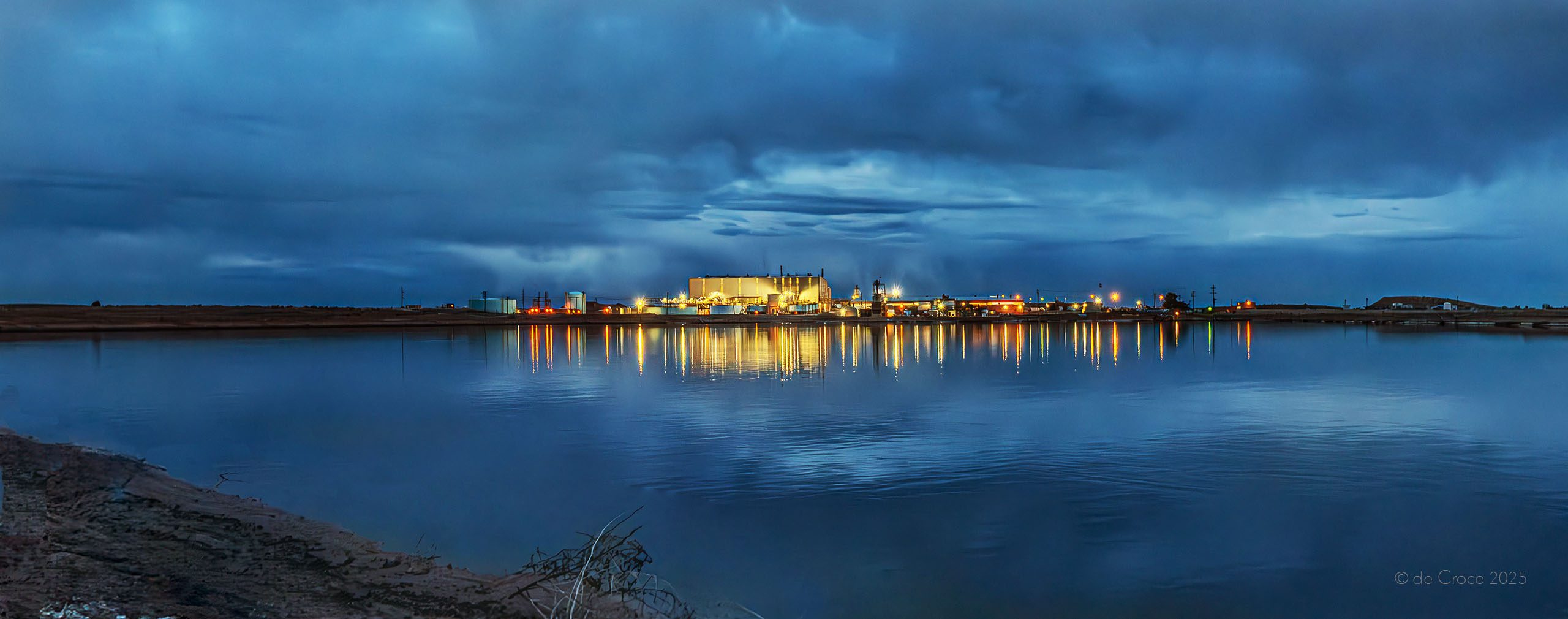
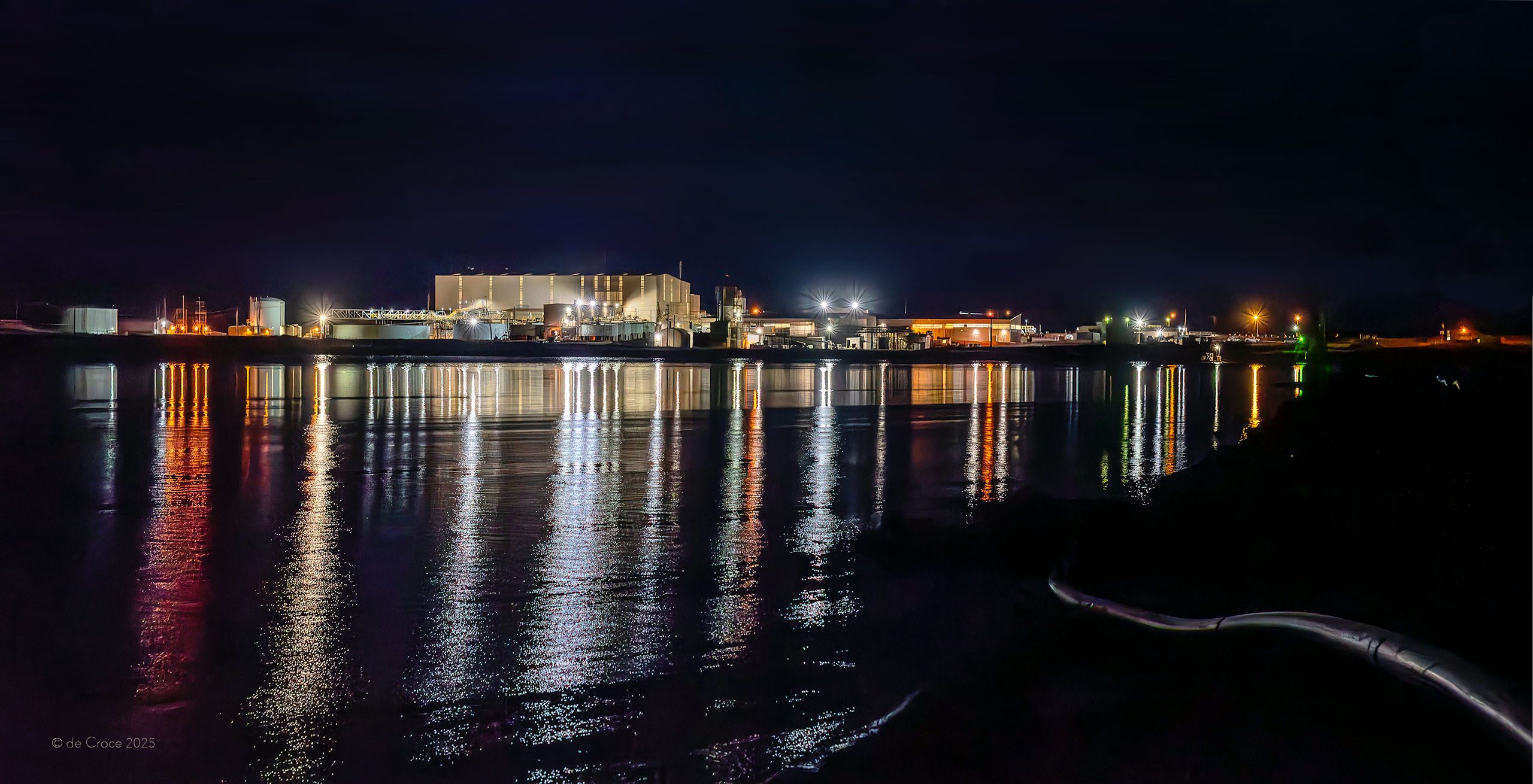
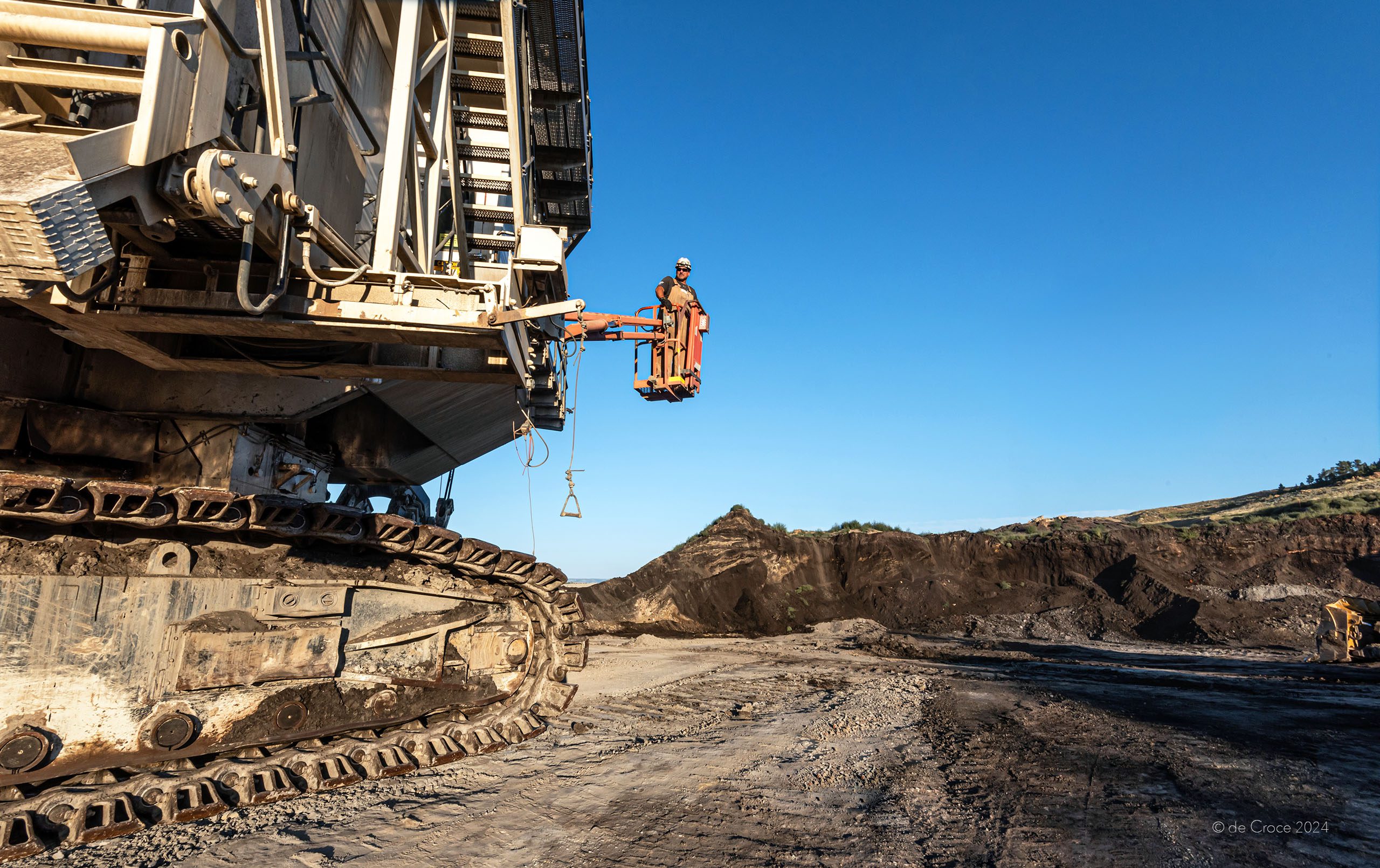
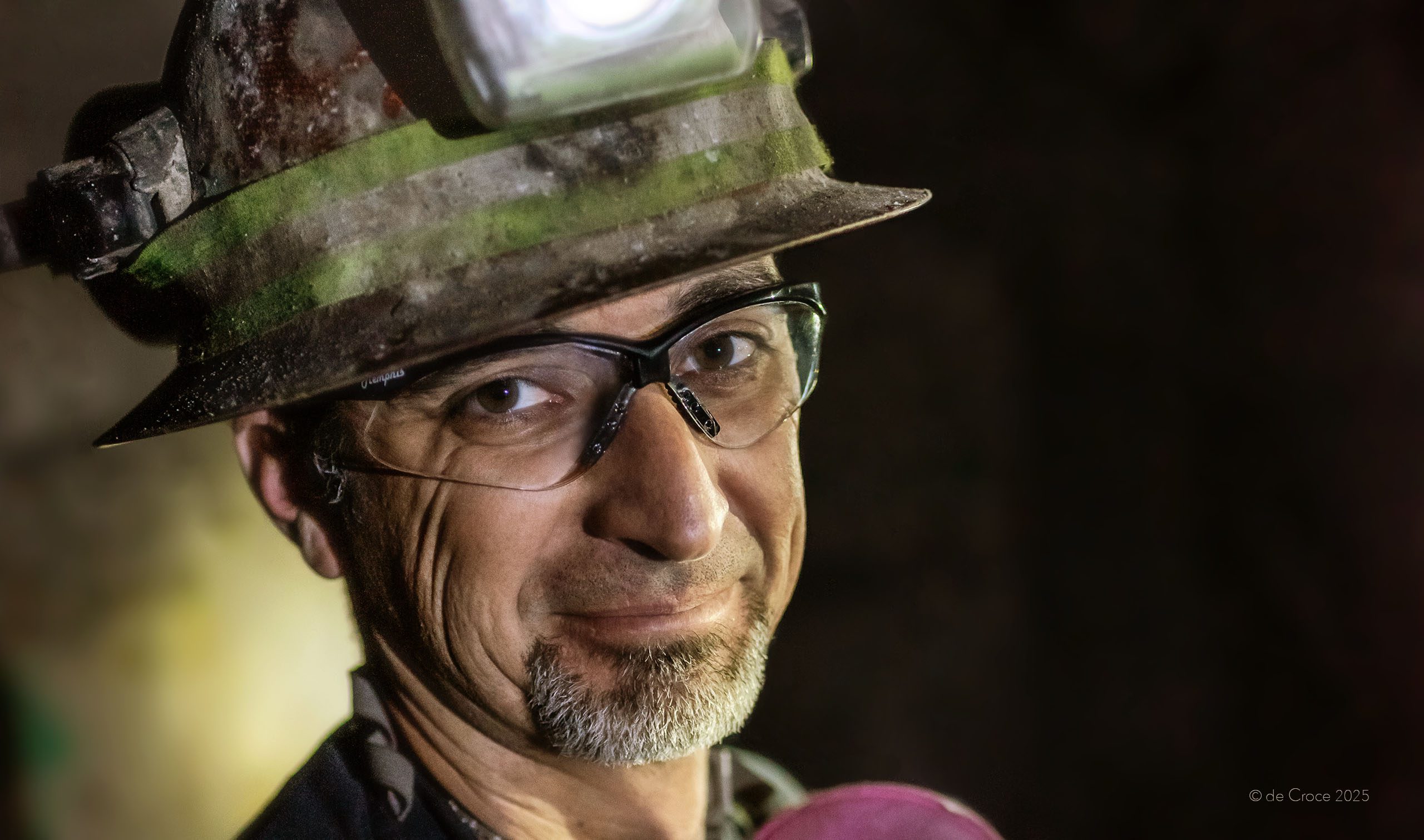
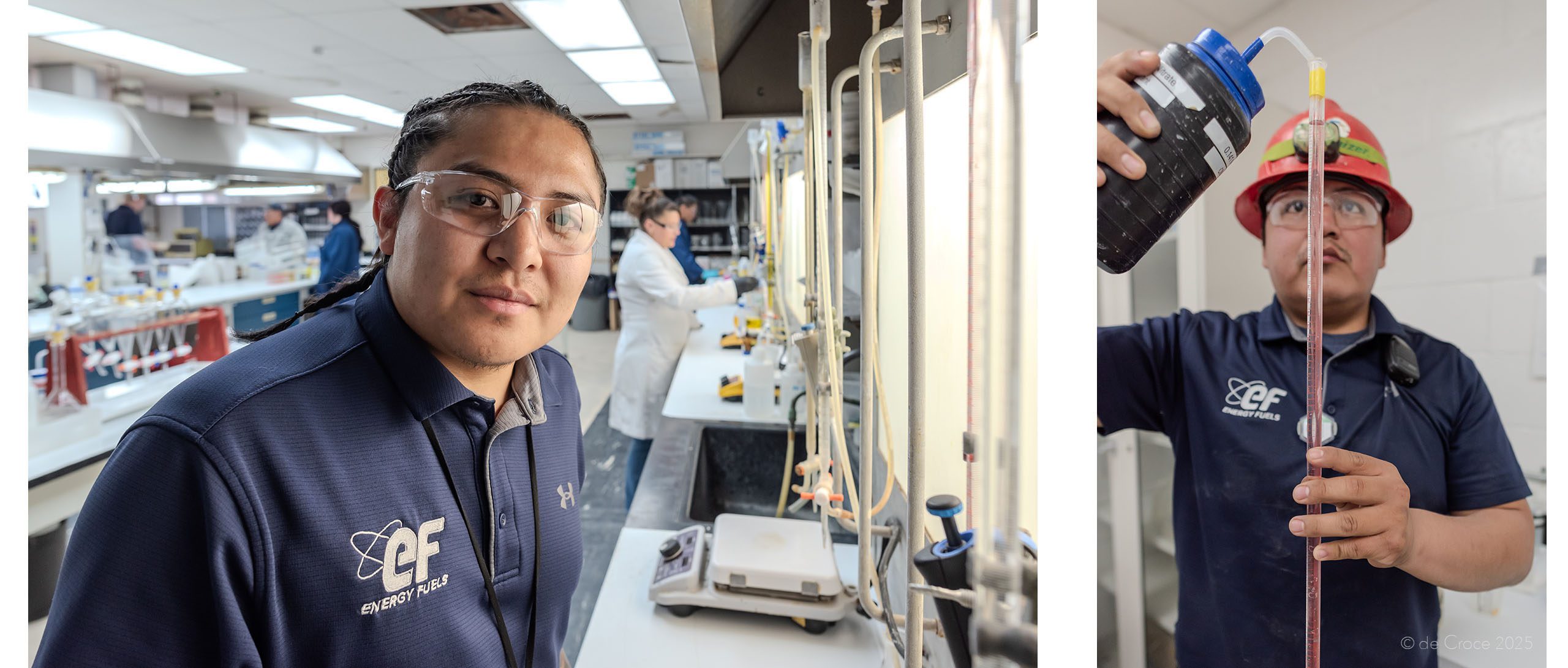
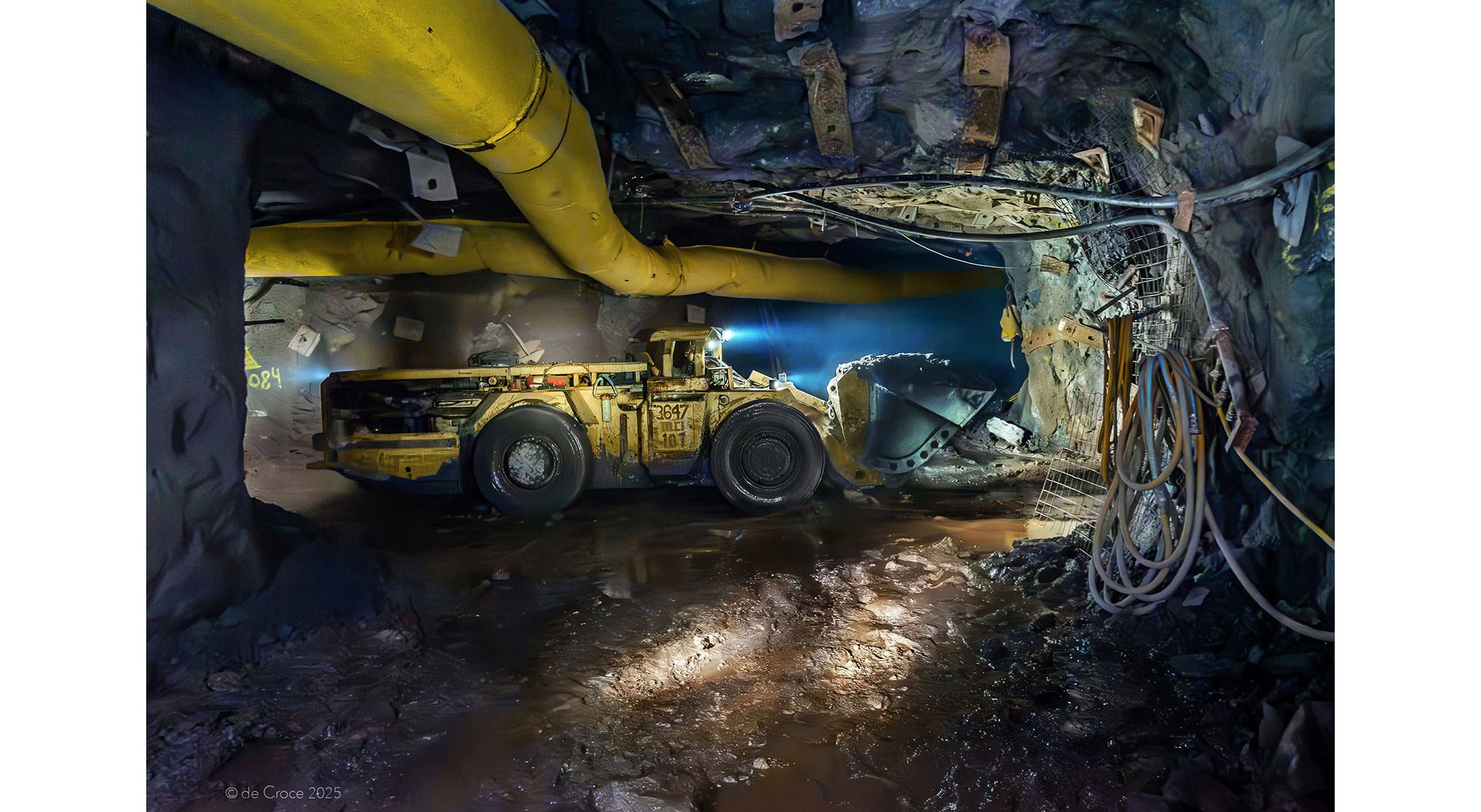
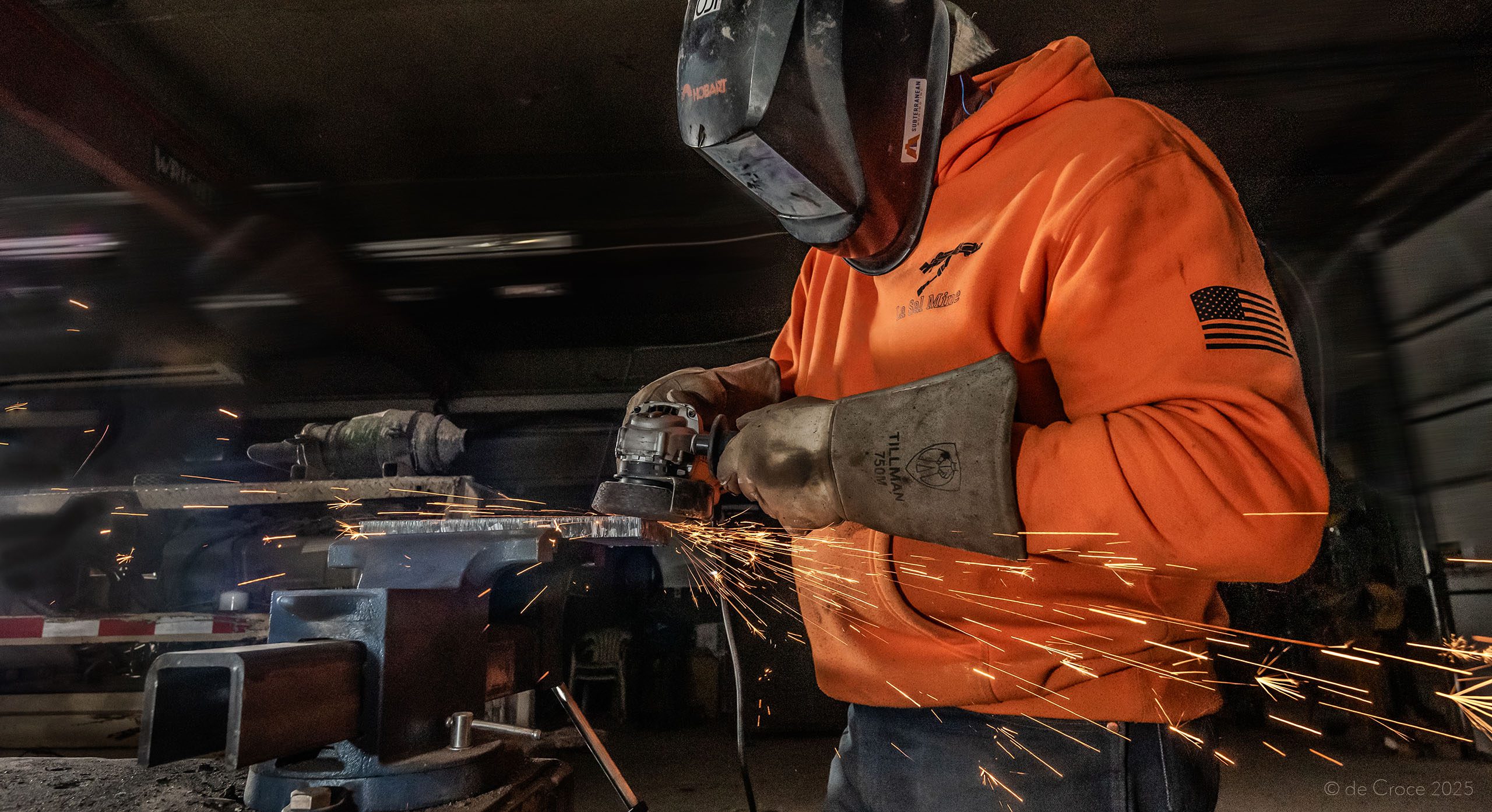
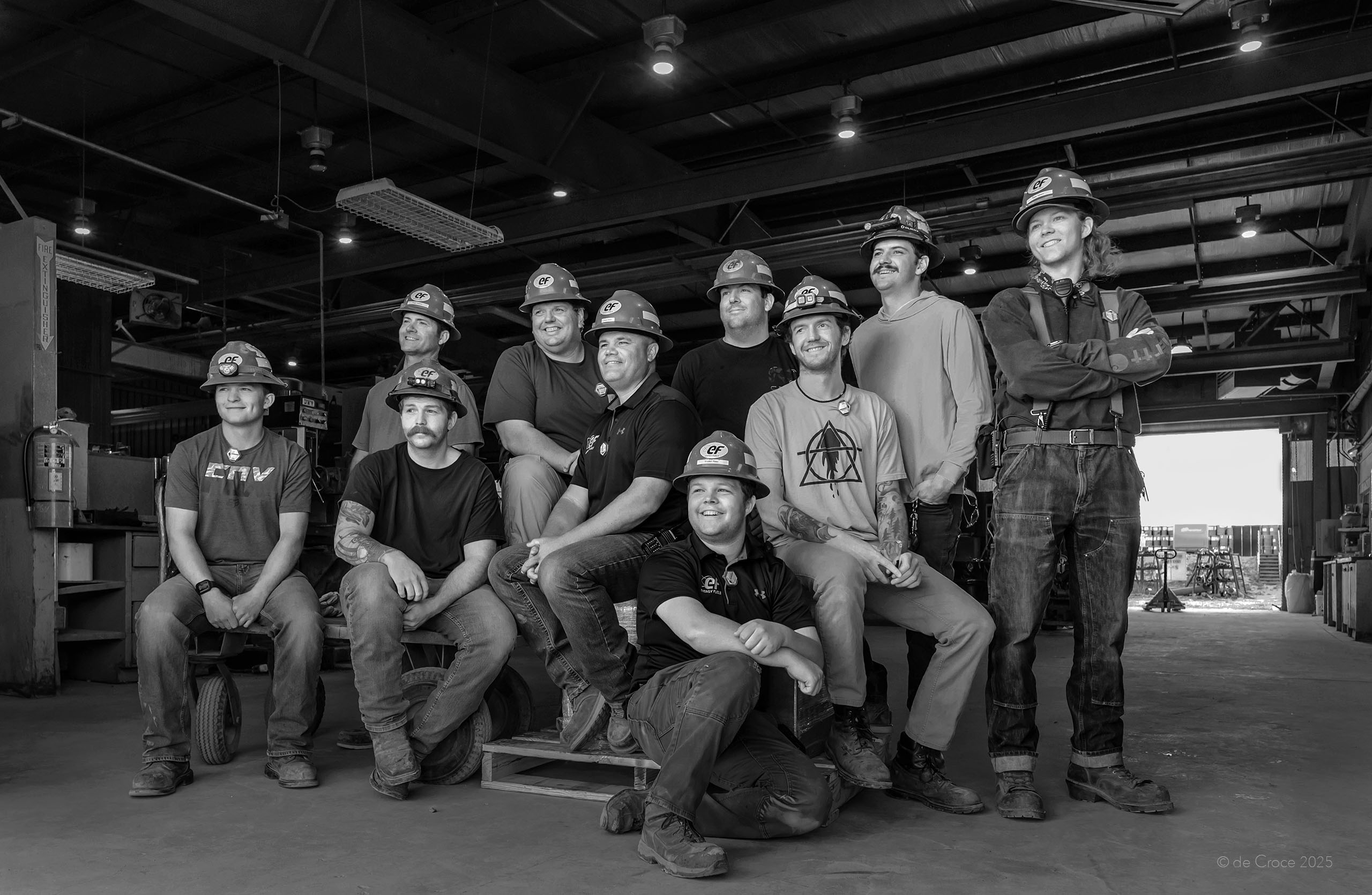
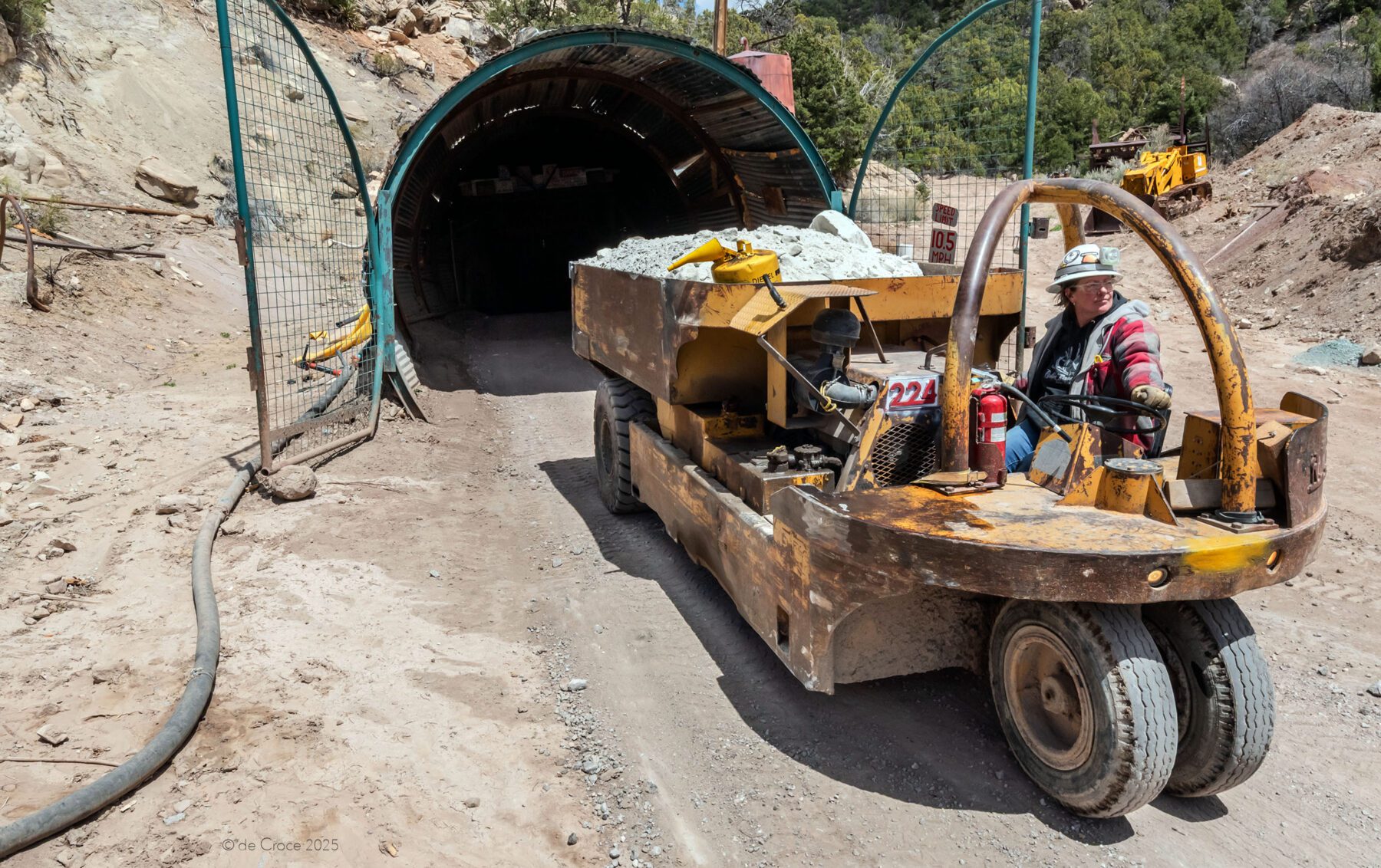
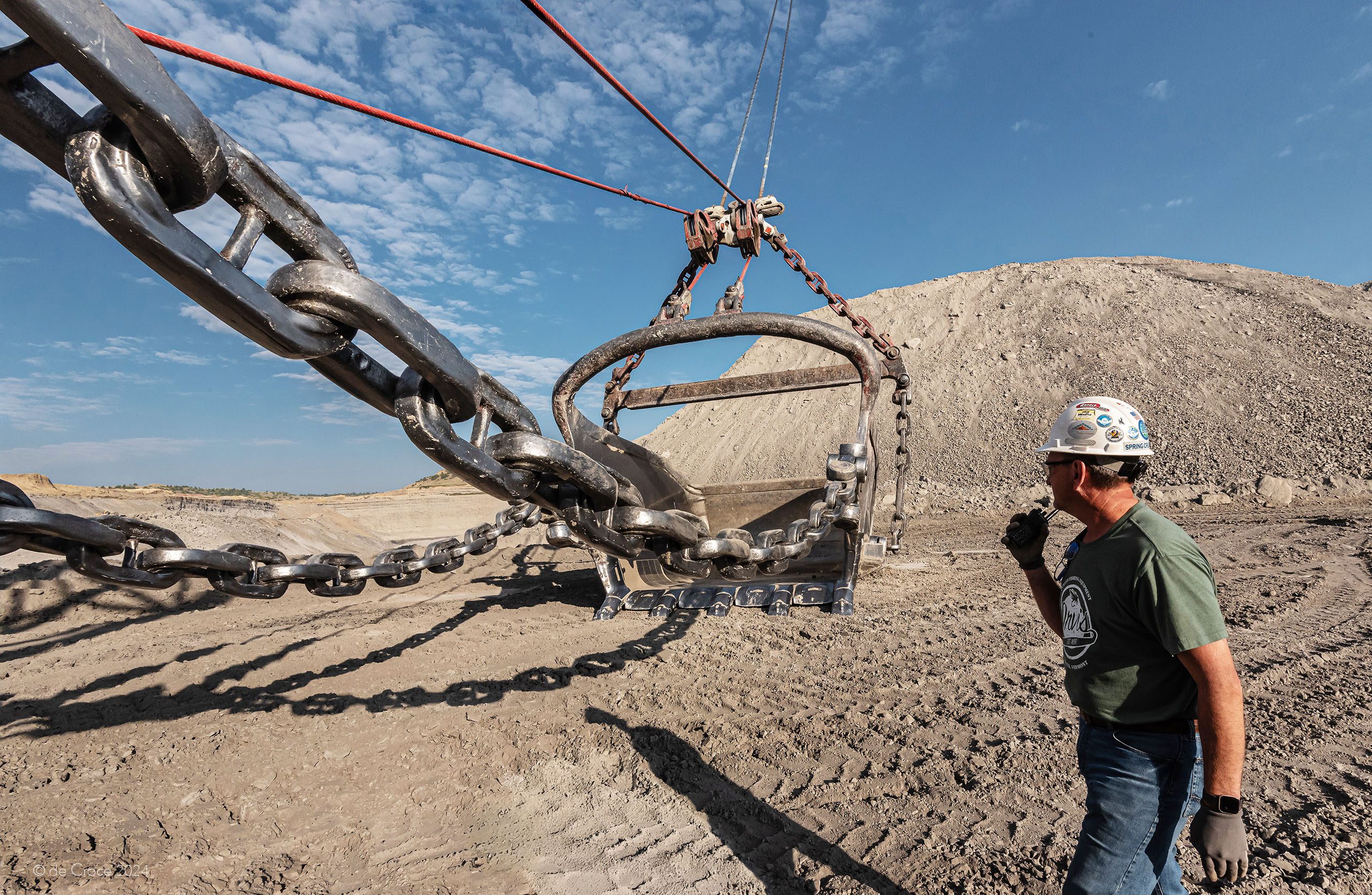
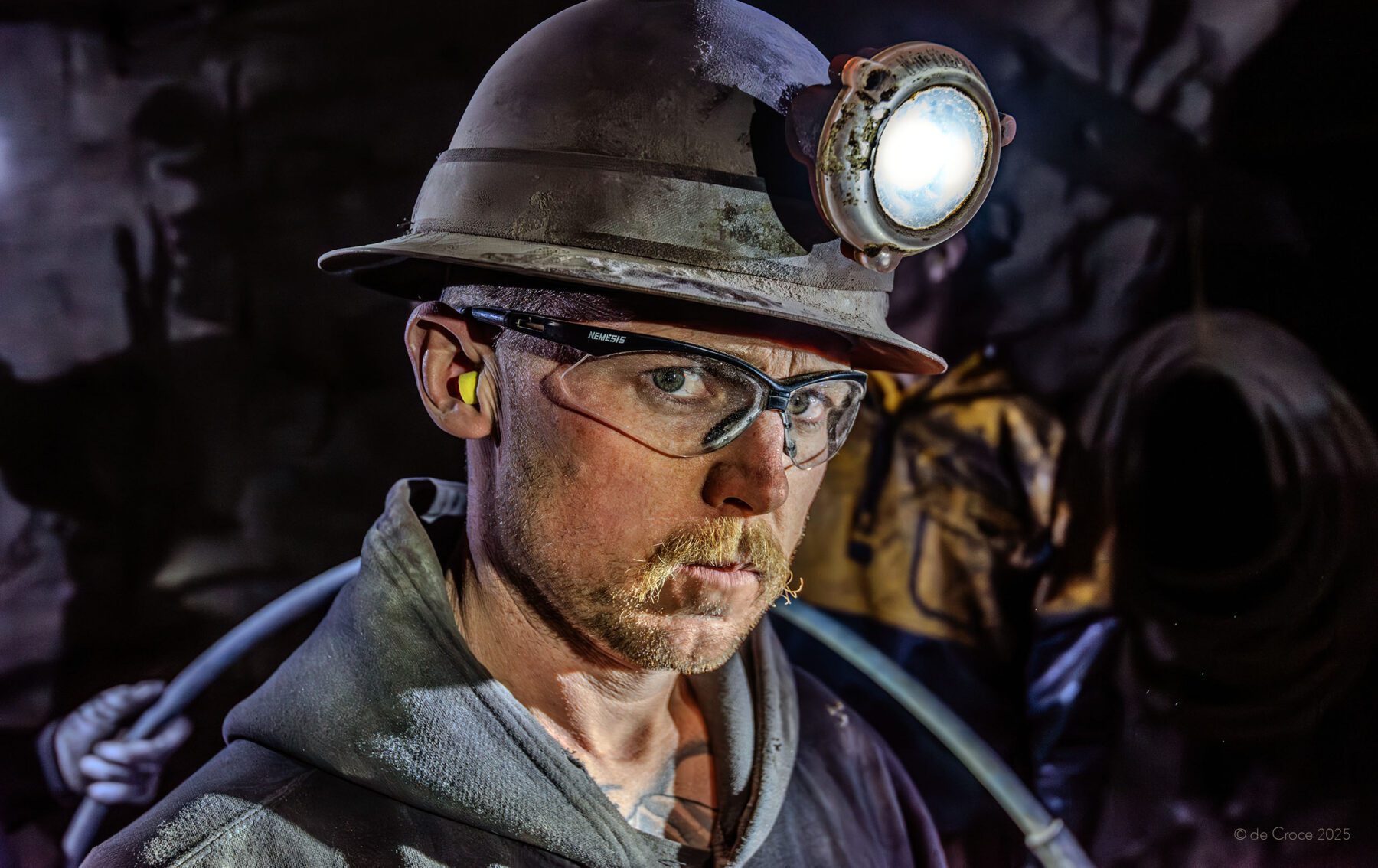
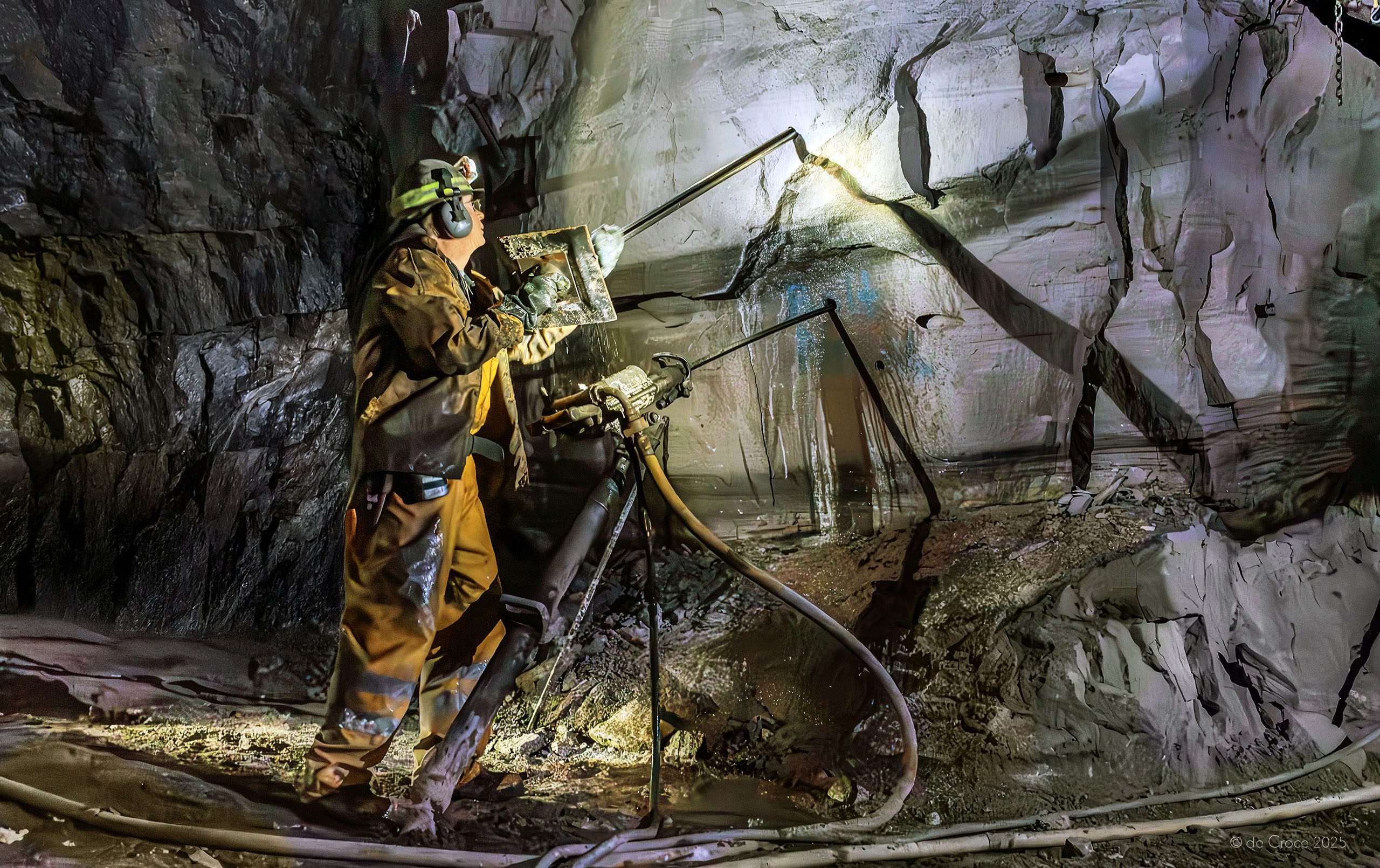
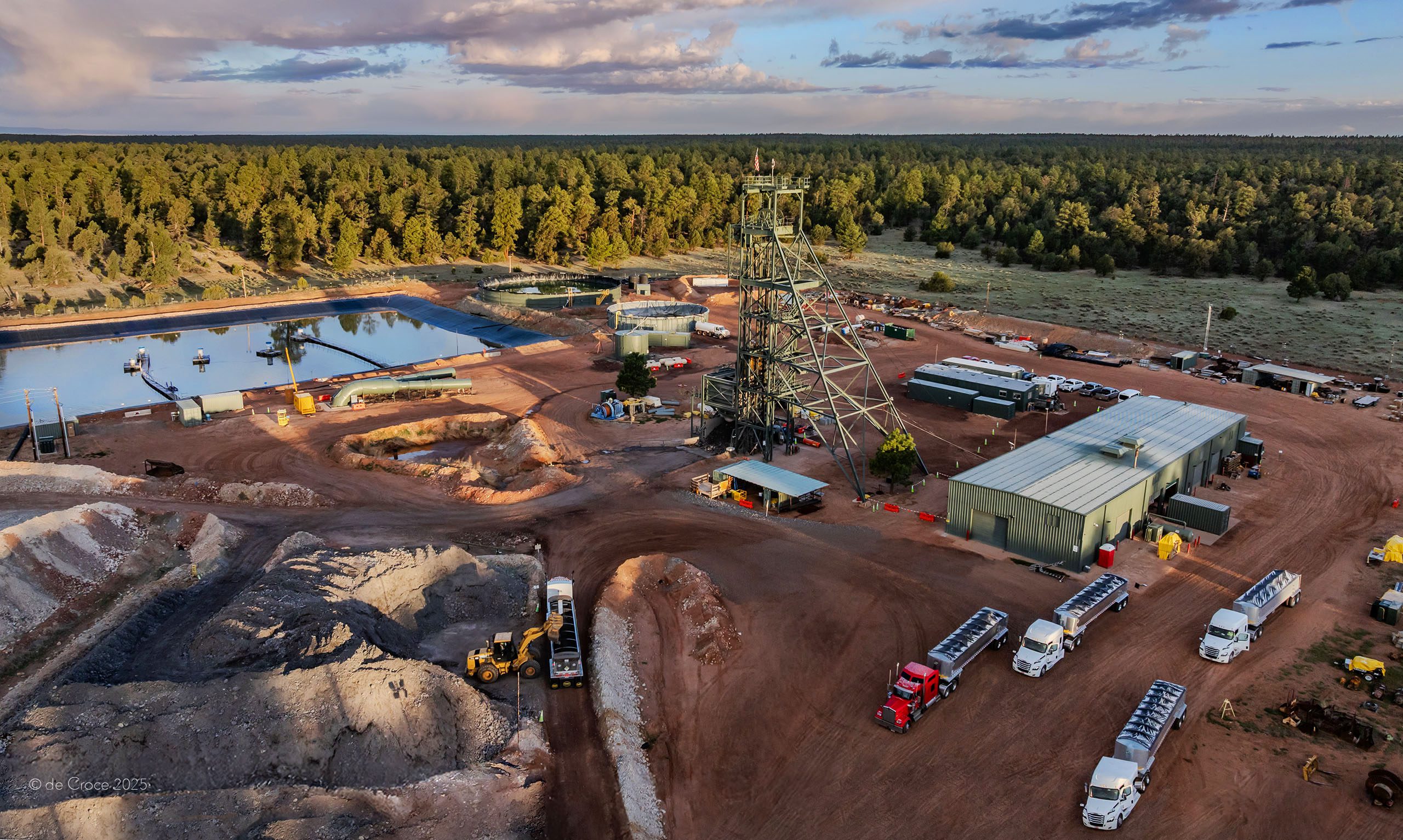
Diverse images in this article depict the miners, the machines and dark underground tunnels. This article is about the making of pictures in a formidable environment — when conditions demand resiliency. It’s a story of our perspective as commercial underground mining photographers — and what makes it difficult. With the aim to show entire mining operations, we included scenes above ground too. Topside images, like the aerial panorama which leads this post, give an overall broad perspective. And photographs of the processing mill, ore transport and open-pit mining chronicle our experiences as mining photographers.
CLIENT – ENERGY FUELS
Commercial Mining Photographer – Underground Mining – Open Pit – Milling, Recovery & Transport
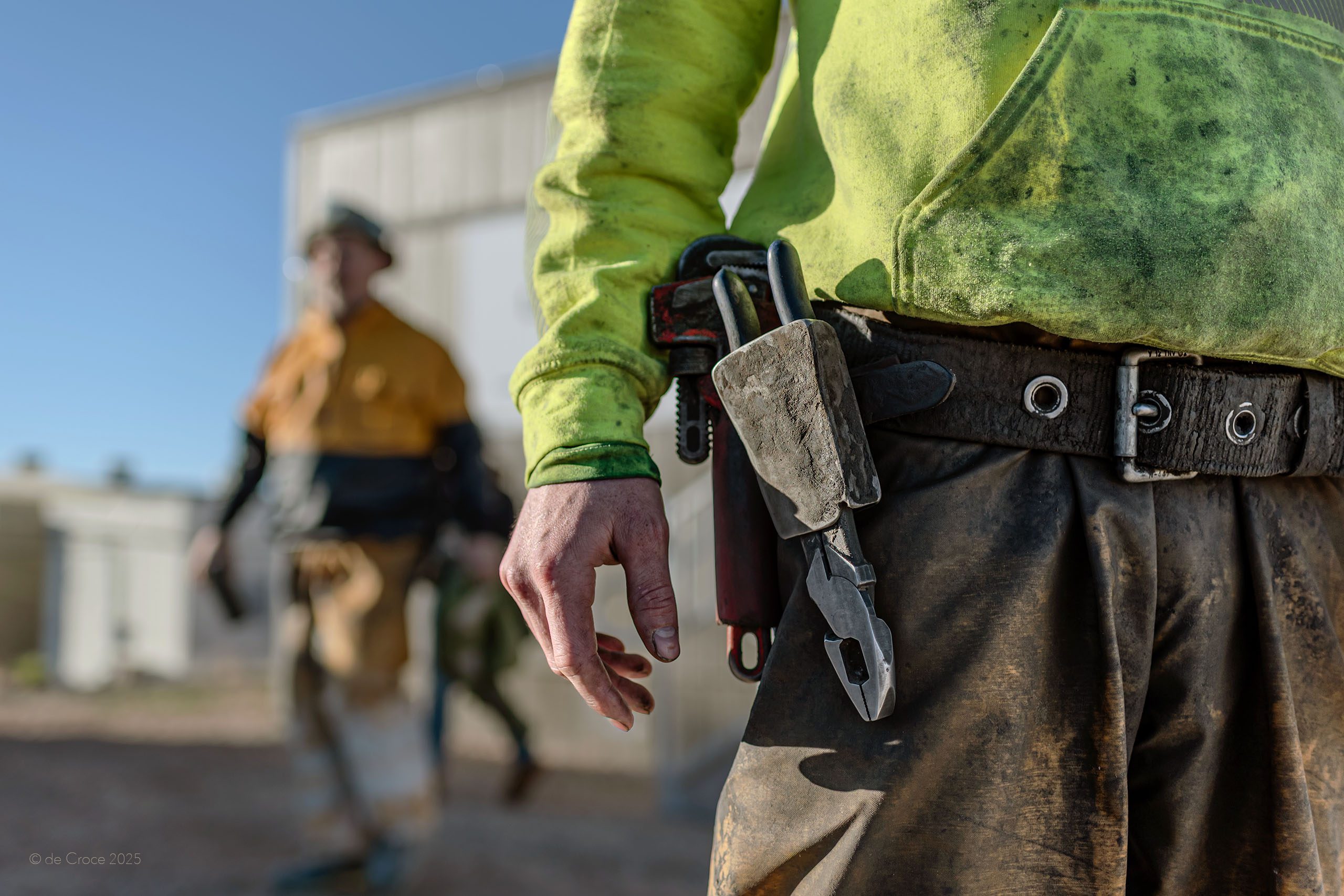
We aim, in each photo-essay, to portray the worker. Robotics and humanity’s downfall — artificial intelligence — might make humans irrelevant in the future. But for now, industrial photography is still about the people who drive the gears.
Advertising Photographer – Underground Uranium Mining – American Mining Photography – Photographing Ore Milling – Commercial Underground Mining Photographer
Photographers sometimes email me with inquiries about commercial and advertising photography. Some write to offer an accolade for an image they saw depicting commercial, industrial or mining photography. I do the rare doltish question, like …”what kind of car do you drive?” But most offer thoughtful discussions about photographic history, the effect of artificial intelligence on the photo world or the psychological impact of images on society. Overall, comments on my professional photography represent a pretty even split between beginners and established commercial photographers.
The Commercial Underground Mining Photographer
For those just breaking into the field, pictures of the natural world, like landscapes and abstract fine-art photography is what they’re drawn to. So they seek my advice regarding style, pricing or how to display a portfolio. Advertising or industrial photography is sometimes on the radar of fledgling photographers, but only occasionally. So if they ask: “Is underground mining photography difficult?”, my one-word answer is — Yes! …If they they prod, I elaborate.
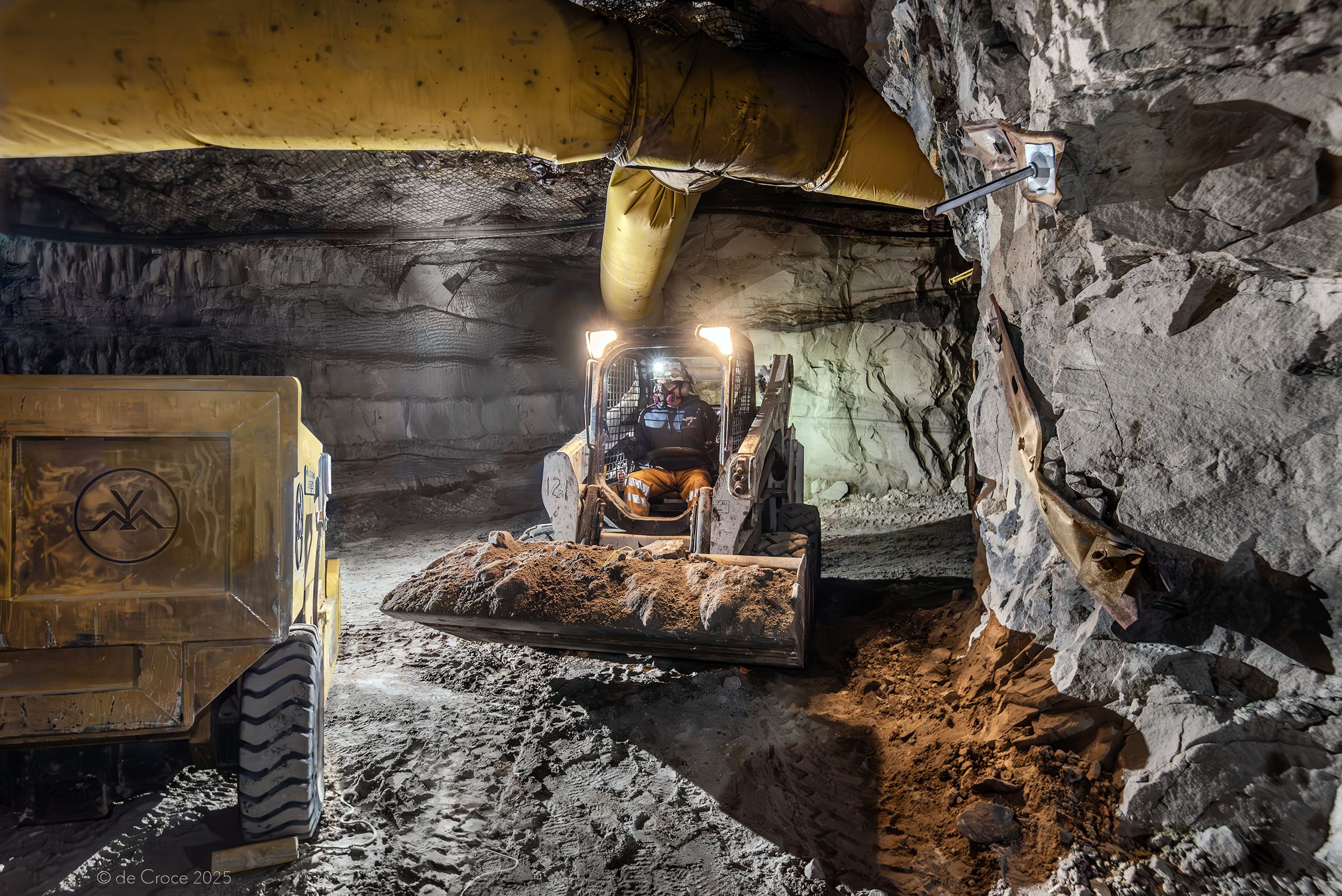
Commercial Photography For Underground Mining Operations
Professional photography includes a broad spectrum of overlapping skills. And in my long career, skill in one genre spills certain insights into another. Some shoots are strictly still-life. But I naturally focus on people and identify as a people photographer. A few pro photoshoot gigs can still get me worked up. Admittedly, I felt a little apprehensive when MLB and T-Mobile hired me during the pandemic to shoot the all-star Home-Run-Derby. For one thing, I was amazed at how BIG the men are.
And on another occasion, I found myself giddy to shoot a lingerie catalogue — we closed a restaurant in Greenwood Village outside of Denver for an entire day to illustrate models in scanty bedroom finery. But I recognize now, that being a little nervous about a photoshoot simply leads to better preparation.
Surprisingly, industrial photography gigs are for the most part, relaxed. The work is exhausting and the days are beyond long, but I love documenting the salty-earth world. Even though I don’t find underground mining photography scary in any way, it is tough! In all my varied assignments, I’d rank underground mining photography close to the top in difficulty.
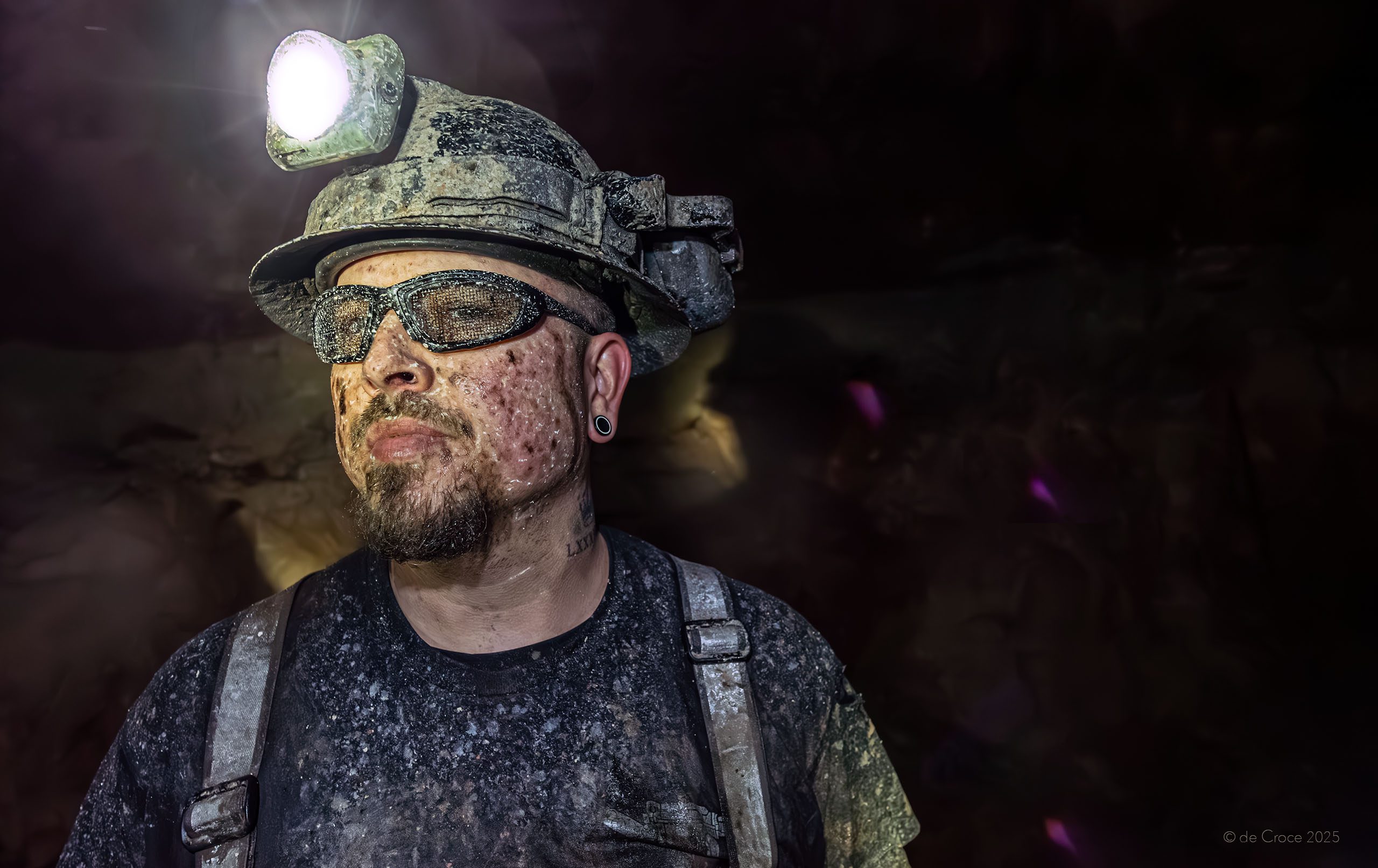
Agency – GBSM
Client – Energy Fuels
Photography gigs come in waves. And the summer surf of 2025 was a fun ride. Fact is, I never know how clients find me. So even before a new client books me, I ask. Janine Haan from GBSM in Denver said she found my work by searching “industrial photographers”. That was early spring of 2025. I met with Janine and the friendly teem from GBSM at their world-class Denver office. And a few weeks later, my son Levi and I were heading out to the mines.
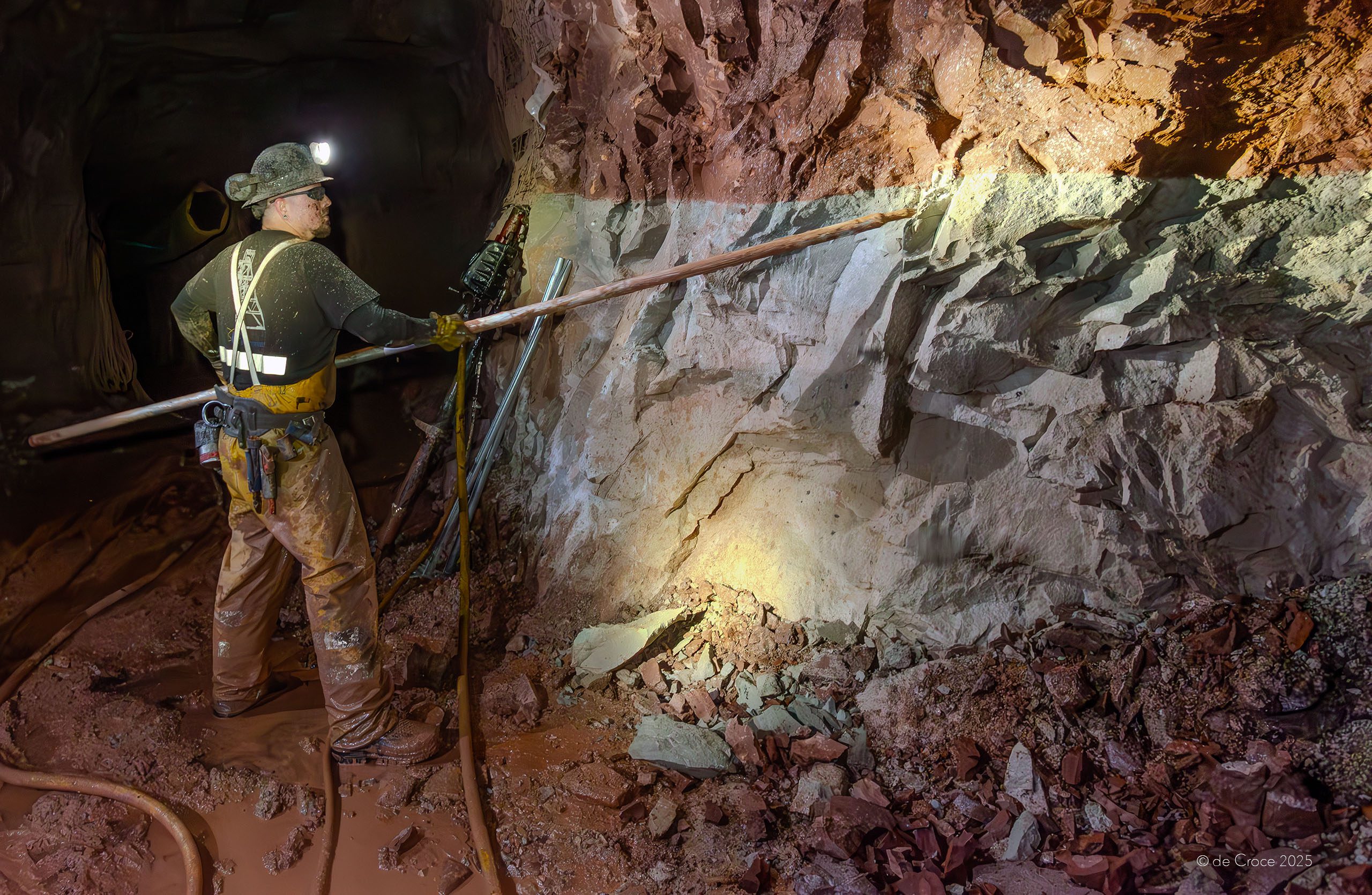
So… what makes underground mining photography harder than other commercial photoshoots? The first thought that comes to mind — Darkness. The word photography, coined in 1839 by Sir John Herschel, is based on the Greek word ‘phos’, meaning ‘light’, and ‘graphê’, meaning ‘drawing’. Therefore, a photograph cannot be made in total darkness.
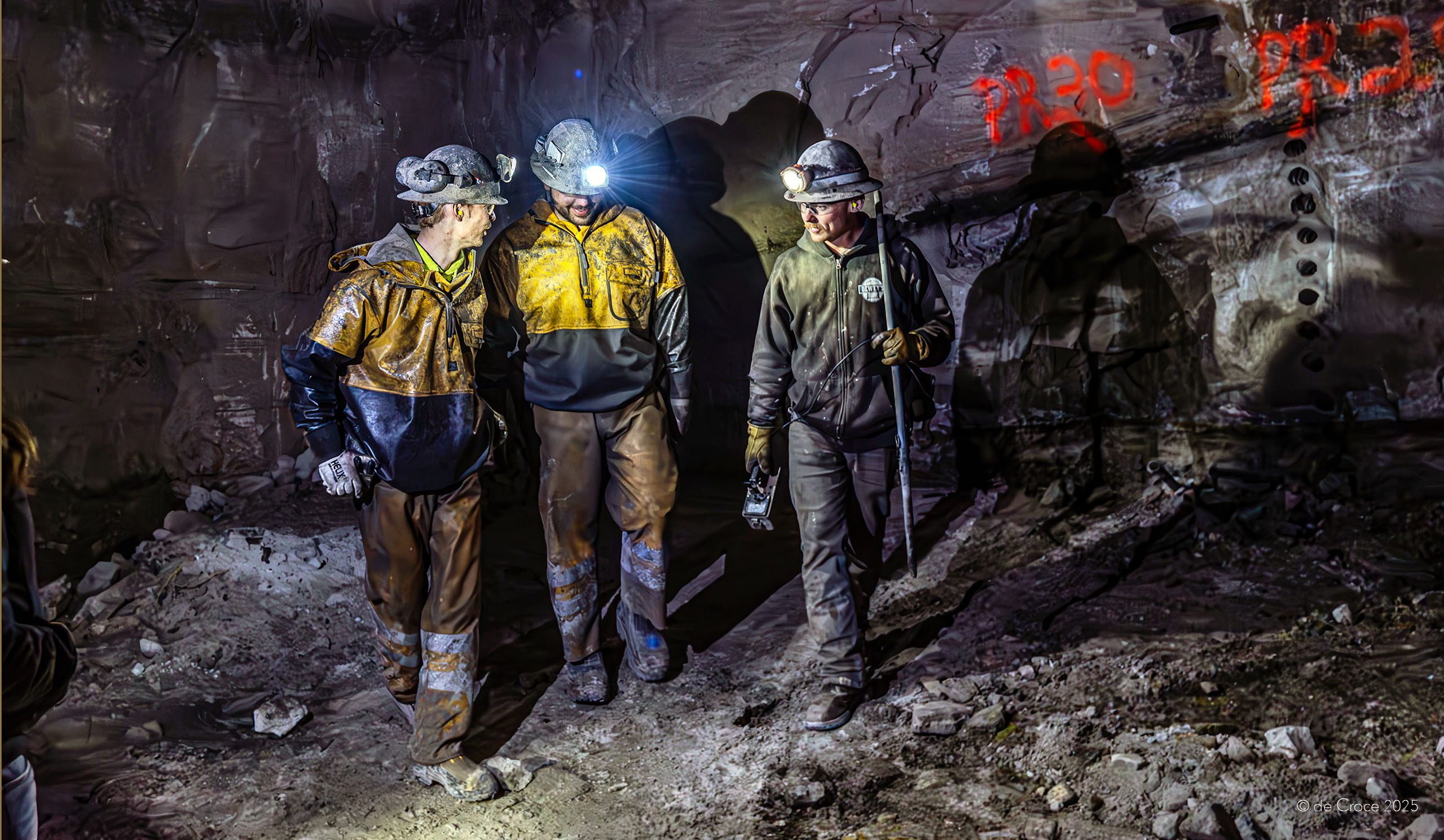
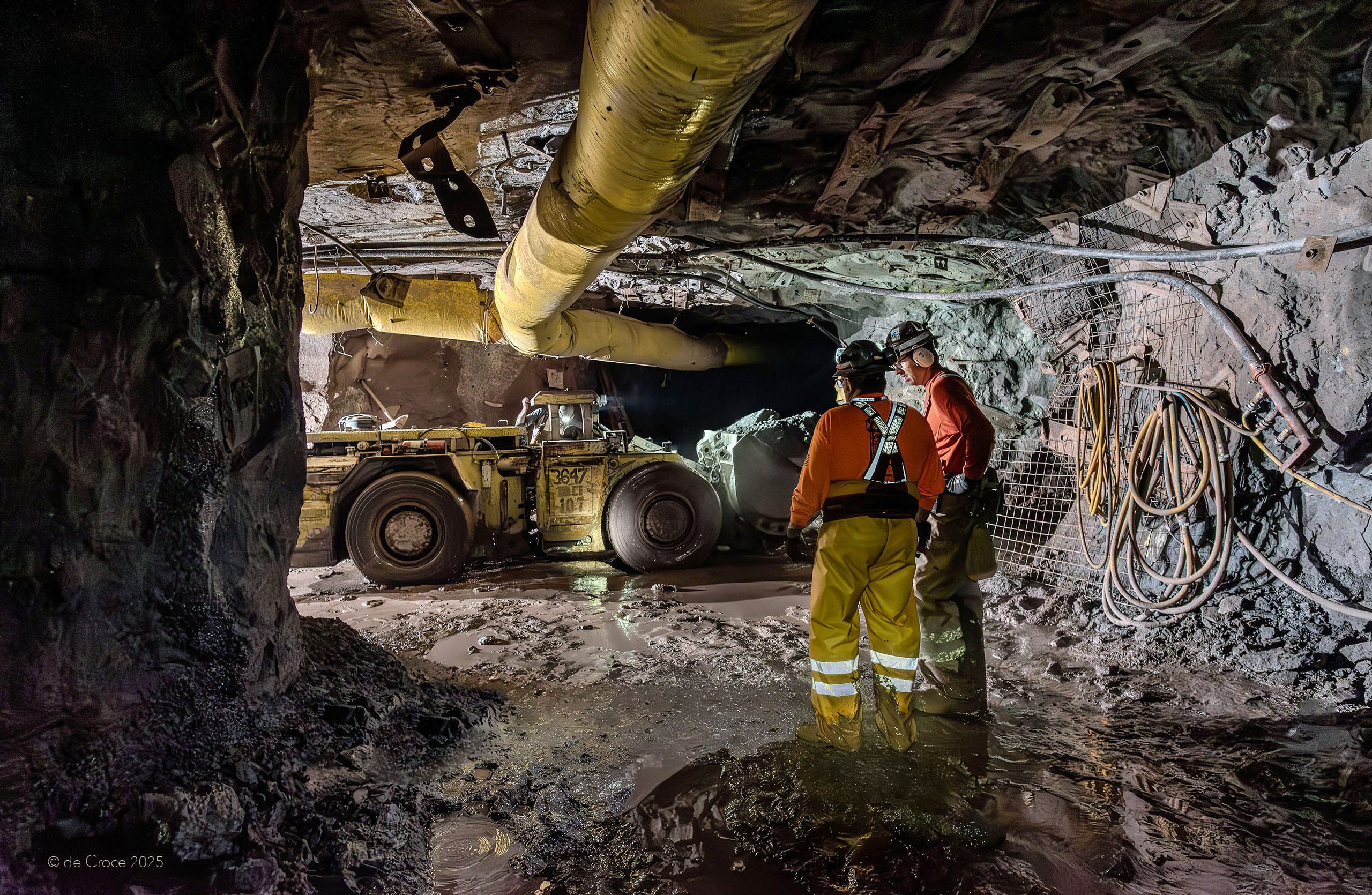
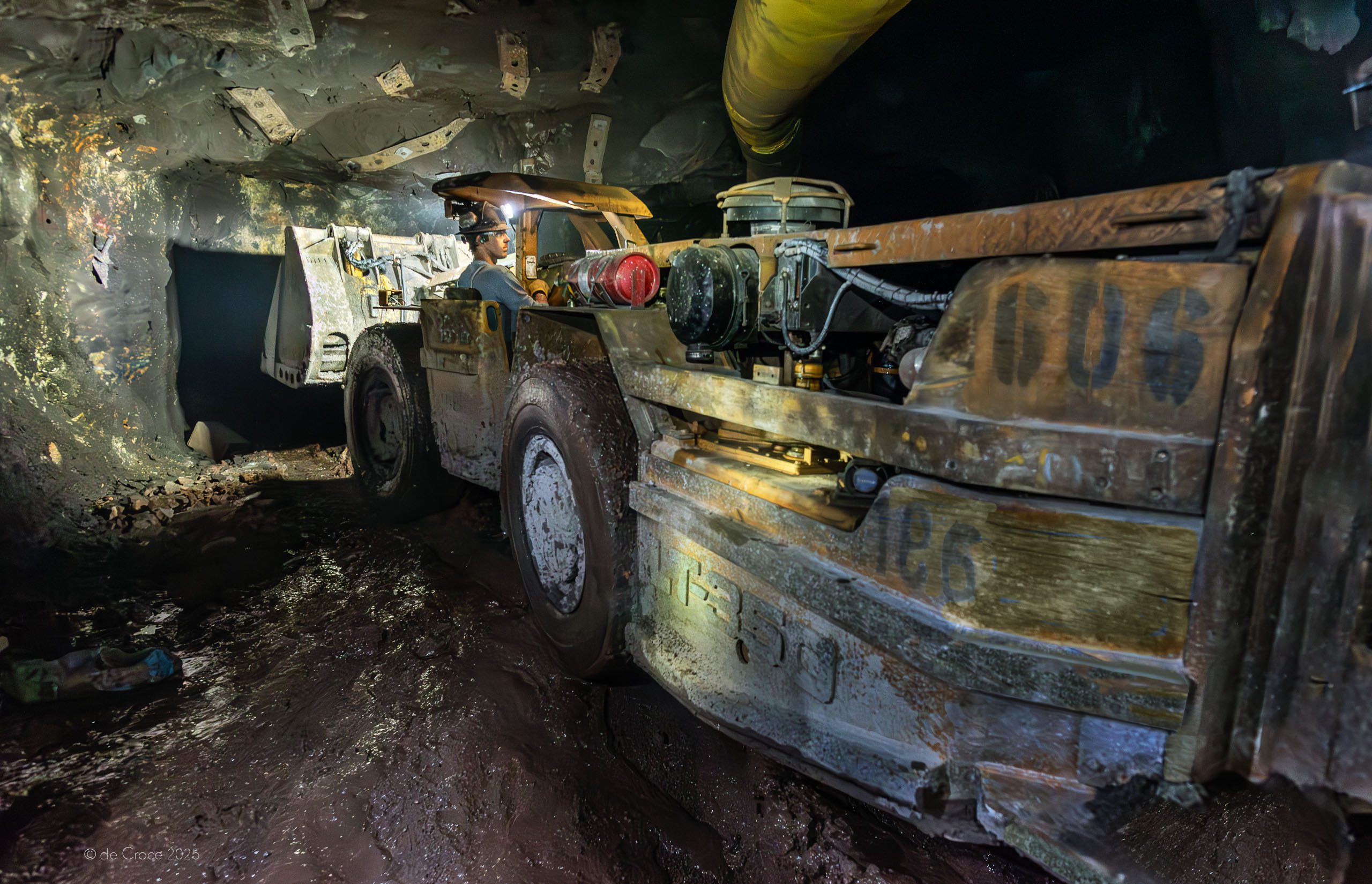
If you’re afraid of, or even uncomfortable in the dark, don’t go. Without moonlight or stars or a faint glow from a distant town, mines exists in total – zero light – darkness. Nights are inky black and it’s always especially irritatingly dark during the day. Of course, every miner has a headlamp on their hard-hats. And those lights come with a switch to increase or decrease intensity. So with the aid of lamps, miners do their job — they navigate through tunnels and break off chunks of rock. Vehicles have lights, of course. And the LHD (load-haul-dump) has lights on the front, on the sides and in the back. But an underground mining photographer can’t do much to control the direction or luminosity of those light sources. So we pack in light our own portable strobe lights.
And that brings up the next challenge to photographing mining operations– Weight. Commercial photoshoots are usually ladened with the propensity, or need, or want, or fear, to bring every possible doohickey in the gear closet. But underground mining photography actually does necessitate bringing a lot of stuff.
Mud is a big hassle for an underground mining photographer! The Energy Fuels mine at Pinon Plains in Arizona is over 1,400 feet deep. So naturally, groundwater seepage is substantial. Waist deep mud puddles often make it impossible set things down — anywhere. Thankfully, our guides from EF helped carry gear and even acted as human light stands occasionally. On other mining photoshoots, like the open-pit coal mines operated by NTEC (Navajo Transitional energy Company), we were able to use the truck as our gear storage. And the Energy Fuels mines located at La Sal, Utah weren’t as deep underground and far less muddy.
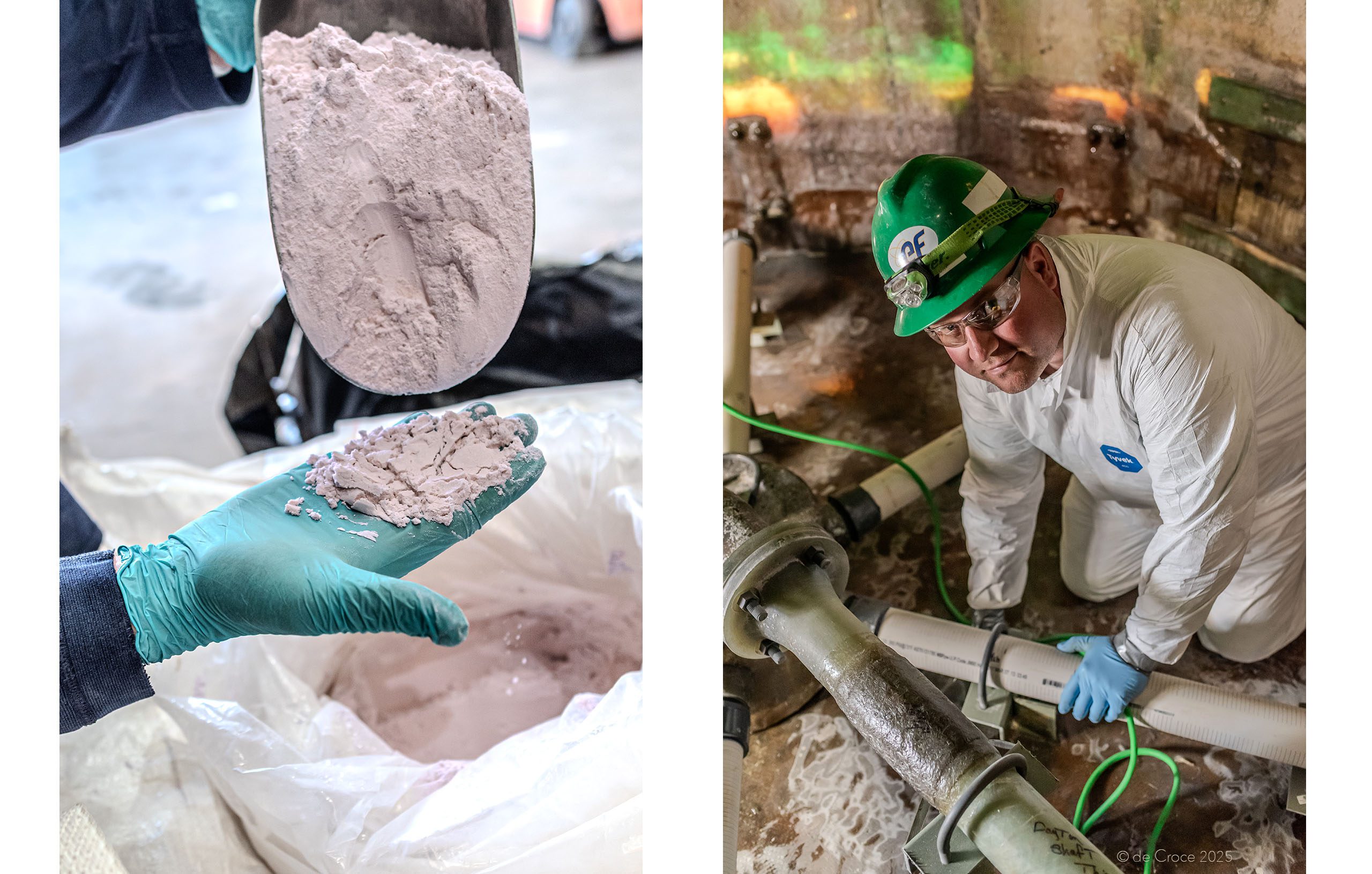
But… what results when there’s no water or resulting mud? — Dust. Mine floors can be calf deep in fluffy fine dust-dirt. So, whenever we set camera bags down, we looked for solid rock. But the sharp super-fine dust was everywhere. And photographing at White Mesa Mill in Utah was equally as dusty. At the mill, every worker has to check themselves with a Geiger Counter as they go through the exit gates. It was here that my son and sidekick Levi set off the the alarm repeatedly. We never could figure out why but the fine dust-dirt might have settled in his prothetic leg.
Cost is also a factor for an underground mining photographer. As it happened, microscopic fine dust is so invasive that it permeated every crease and fold of our equipment bags. And worse, fine powder particles had noticeably penetrated inside each lens element. After two weeks of underground mining photoshoots, there was no choice but to ship lenses for a professional cleaning at Nikon. Future mining photoshoots will need to include a line item for unexpected expenses like lens cleaning.
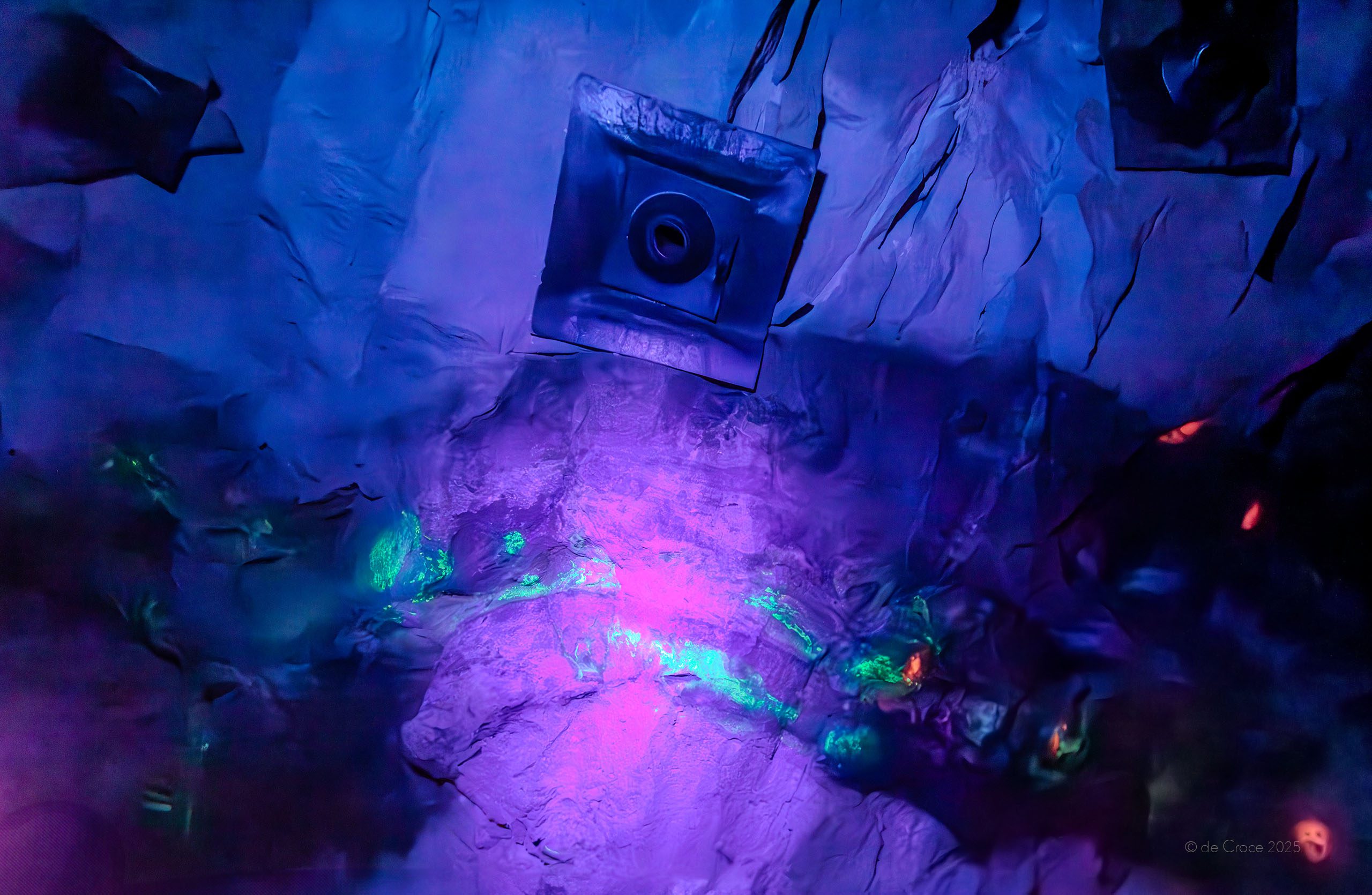
Although we’re too pumped with adrenaline to notice, Claustrophobia can sneak up without warning. But... while we worked deep underground, a monumental wind storm blew hard up in the daylight. Power services for the entire Grand Canyon – South Rim, were knocked out. Every town, lodge and venue went dark including the Pinon Plains Mine. Of course, the mine’s generator kicked in to pump fresh air into the mine. However the “cage”(elevator) was inactive for several hours. We made it out just before the electricity went down. So our possibly probable claustrophobic reactions remained untested, whew.
Obstacles For An Underground Mining Photographer —— Darkness – Equipment Weight – Mud – Dust – Hidden Expenses – Claustrophobia

Other Portfolios & Articles on Commercial Industrial Photography
Commercial And Industrial Photography